

Solar Geyser Installation Cape Town | Plumbmax Services
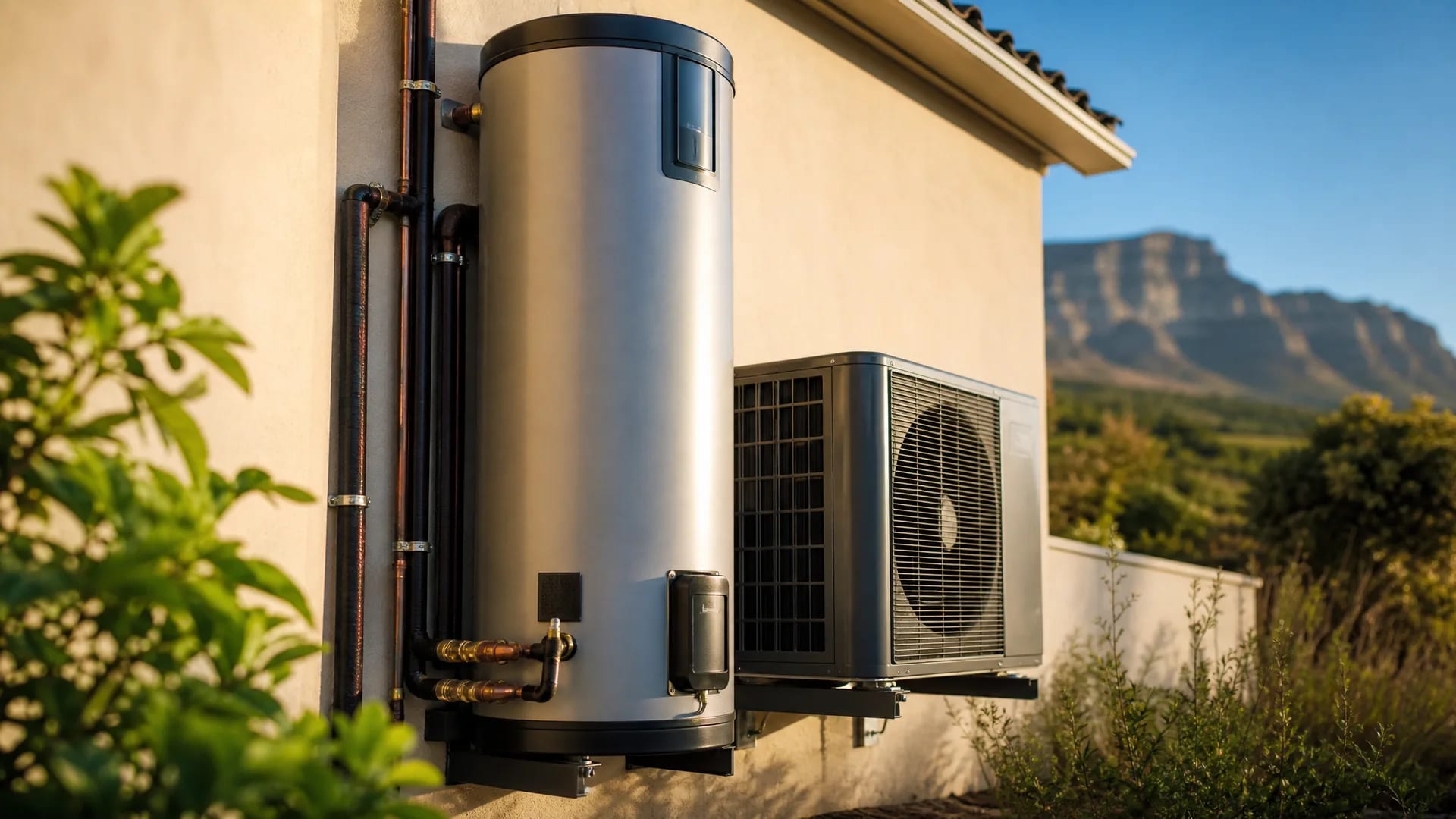
We at Plumbmax regularly convert existing electric geysers to hybrid solar systems in Stellenbosch heritage homes, where roof aesthetics restrict panel placement. That local experience shapes how we approach every solar geyser installation Cape Town property owners ask us for. Technical competence matters more than generic promises when you're modifying your home's primary water heating infrastructure. You need a system that works through seasonal changes and grid instability, installed by a team that understands both plumbing standards and the specific constraints of Western Cape properties.
Why Solar Water Heater Installation in Cape Town Matters Now
Cape Town gets enough annual solar irradiance to make thermal water heating viable even through winter cloud cover, though system sizing has to account for seasonal lows. That means solar water heater installation in Cape Town is fundamentally a resilience measure, not just an environmental gesture. The sun provides free thermal energy regardless of what Eskom's generation capacity is doing.
Load shedding geyser solution for consistent hot water
A solar thermal system runs independently of the grid during daylight hours. That's what separates it from battery backups, which just power a conventional electric element for a limited stretch. When load shedding hits mid-morning or afternoon, your solar geyser keeps absorbing heat without drawing any current, so hot water is still there even after a four-hour outage ends.
That independence matters most during Stage 4 and above, where the gaps between supply windows are long enough to drain battery reserves before evening demand peaks. A properly sized solar geyser holds stored thermal energy for hours after sunset, bridging the gap until grid power returns or auxiliary heating kicks in.
Batteries can't replicate that passive thermal storage. They have to keep converting and reconverting energy through electrical cycles that lose efficiency at every step.
Solar Geyser Types We Install
Picking the right architecture up front avoids costly retrofits later. We check your municipal water pressure, roof structure, and aesthetic requirements before we recommend a specific solar geyser conversion. Your choice between system types should come from actual site conditions, not marketing preferences, because mismatched components fail early in our local climate.
High-pressure vs. low-pressure systems
High-pressure closed-loop systems match municipal mains pressure directly, so they work with modern mixer taps and balanced shower fittings throughout your home. These units use indirect cylinders where potable water never touches the collectors. That eliminates corrosion risk while still delivering the flow rates people expect from a modern bathroom.
Low-pressure open-vent systems rely on gravity feed from roof-mounted tanks. They need separate cold-water storage and specialized low-pressure valve gear, which often conflicts with standard plumbing fixtures. They're cheaper upfront, but they frequently need booster pumps to get acceptable shower performance, and that adds mechanical complexity and ongoing electricity use that undercuts the whole point of going solar.
Most Cape Town homes built after 2000 need high-pressure compatibility to avoid expensive downstream modifications.
Flat plate collectors vs. evacuated tube collectors
Flat plate collectors sit cleanly on pitched roofs and hold up better against coastal salt air, thanks to simpler construction with fewer seals that can degrade. Their lower profile suits heritage overlays in areas like Stellenbosch, where visual impact matters, and they perform adequately across most of our annual weather despite slightly lower peak efficiency ratings.
Evacuated tube collectors reach higher temperatures under diffuse light, which makes them theoretically better during the overcast winter stretches common in June and July. But individual glass tubes can suffer hail damage or seal failure over time, and replacement costs run well above flat plate units once warranty coverage runs out.
We typically recommend flat plates for most residential jobs, unless specific shading issues or unusually high hot-water demand justify the added maintenance risk of tube arrays.
Solar Geyser Cost Cape Town and Financial Incentives
Understanding what drives pricing helps you judge quotes fairly. Solar geyser cost in Cape Town varies based on real engineering factors, not arbitrary markups. Material quality, structural reinforcements, and compliance components all move the final figure, so comparing line items tells you more than the headline number does.
Understanding installation quotes
Collector quantity and tank capacity set the baseline cost, but a structural assessment often turns up roof reinforcements that need to be added for a compliant install. Older timber trusses may need extra bracing to carry collector weight safely, while tile roofs need specialized mounting hardware that keeps the waterproofing intact.
You should review geyser installation cost factors to understand how these variables interact before you accept any estimate. Transparent breakdowns are a sign of professional thoroughness, not hidden contingencies.
Auxiliary heating integration adds another variable. Keeping your existing electric element as backup means new thermostats and wiring upgrades, so the two heat sources don't send conflicting control signals.
Municipal rebates and tax incentives
Financial incentives depend heavily on SANS compliance verification and installer registration status. Unregistered contractors simply cannot certify eligibility, whatever the equipment quality. Rebate programs change often and can pause without notice when funding runs out, so treat potential savings as a possible bonus, not a line item you plan around.
Tax incentives through SARS renewable energy credits apply to qualifying solar thermal installations completed within specified tax years, but documentation requirements are strict and retrospective claims get scrutinized. We advise clients to treat incentives as a possible offset, not a foundational assumption, so the project still makes sense on operational savings alone.
Eligibility comes down to certified compliance documentation submitted within the program window, not just buying approved equipment.
Our Solar Geyser Conversion and Installation Process
Proper solar geyser sizing means calculating household demand against collector area and storage capacity. It isn't just matching tank volume to bedroom count. That technical rigor is what stops a system being undersized and disappointing, or oversized and wasting money on capacity nobody uses. It's the foundation of every conversion we do.
Site assessment and system design
We check roof orientation, pitch angle, and shading patterns across the seasons to work out the best collector placement before we propose any equipment. Checking existing plumbing compatibility shows whether current pipework can handle thermal expansion cycles, or whether part of it needs replacing to stop joints failing under solar operating temperatures.
Our solar geyser services include load calculations based on actual occupancy patterns and peak draw times, so storage capacity matches real usage rather than a theoretical average. This assessment phase usually takes one to two days depending on how complex the property is, with design finalized once the client signs off on the specifications.
A rushed assessment produces a system that falls short exactly when margins are tightest, in winter.
SANS-compliant installation standards
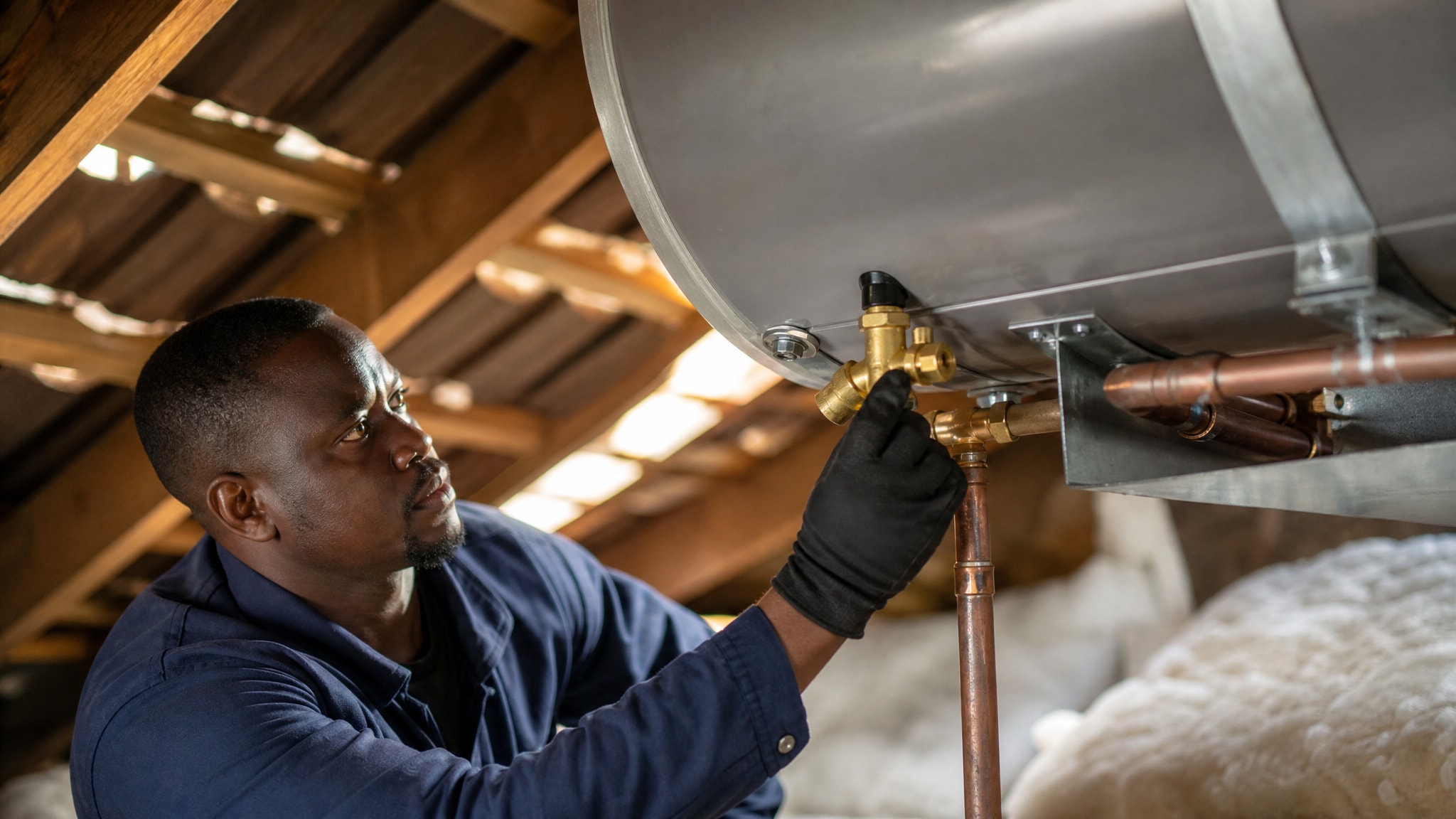
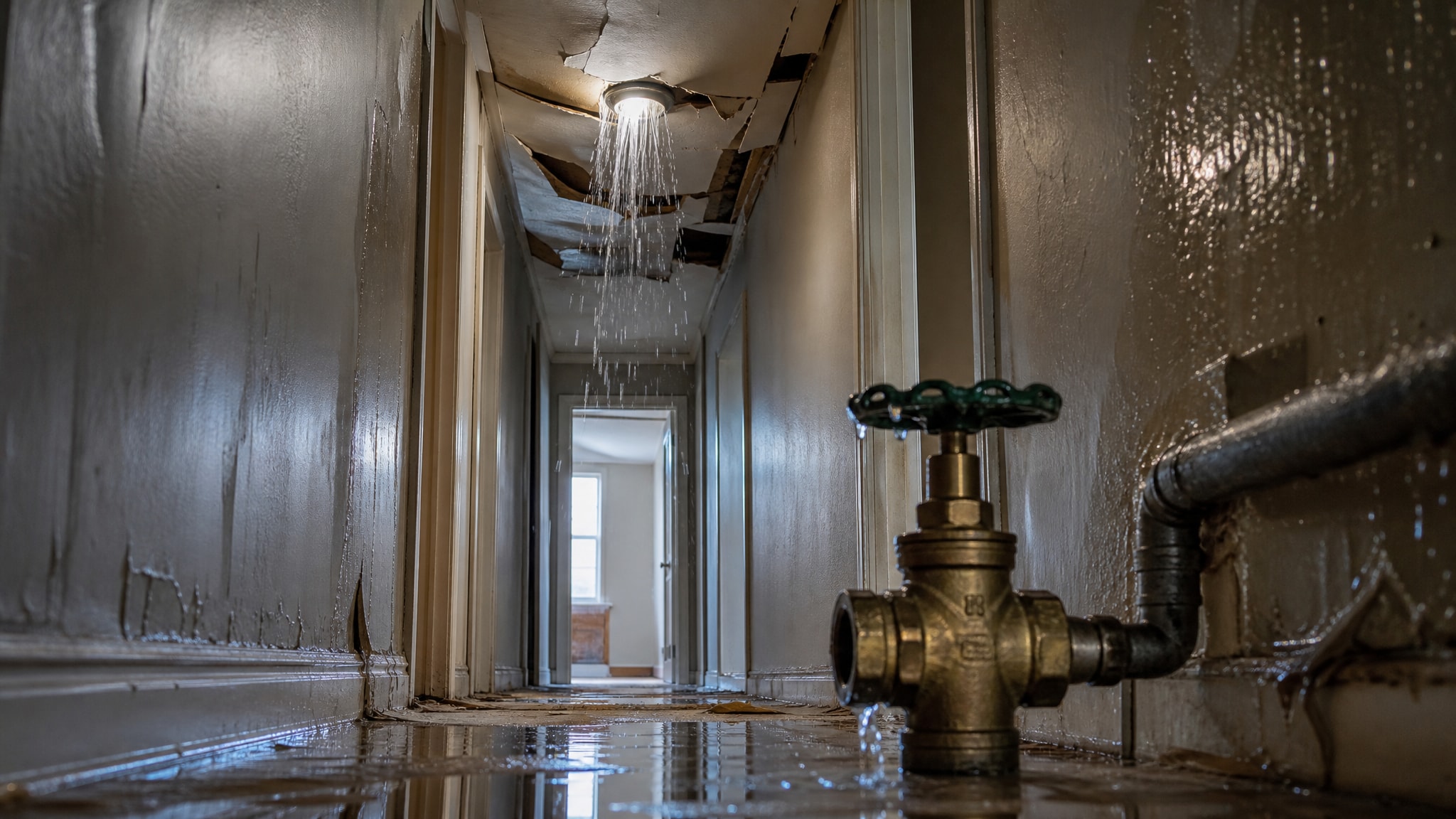
Our installations include SANS-compliant vacuum breakers and drip trays as standard. These address the common failure points we see in non-specialist retrofits, and they prevent catastrophic water damage if a tank ruptures, while also protecting against siphoning that could drain collectors during maintenance or a power failure.
Compliance also covers pressure relief valves, temperature sensors, and isolation points positioned so the system can be serviced safely without draining it unnecessarily. You can review vacuum breaker requirements to see why this component matters specifically for solar thermal setups. Getting it wrong here voids both warranty and insurance cover.
SANS-compliant drip tray installation similarly protects ceiling cavities from the slow leaks that cause rot long before any damage is visible below.
Every certificate we issue confirms the work meets current national standards. That gives you legal protection and documentation you'll want on hand if you ever sell the property.
Energy Savings and System Performance Expectations
It's worth setting realistic expectations. No solar thermal system eliminates electricity use entirely, given Cape Town's winter rainfall pattern and variable cloud cover. Summer months can get close to a full offset, while winter needs more auxiliary input, and the two average out to a meaningful but incomplete annual reduction.
How your household uses hot water affects the savings you actually see. Morning showers line up with solar gain, while evening baths draw heavily on heat stored earlier in the day. Families who shift hot-water-intensive activities to midday get more direct solar benefit. Unchanged routines still cut element runtime, just less dramatically.
Auxiliary heating covers you through prolonged overcast periods, common in Cape Town winters, switching on only once tank temperature drops below a set threshold. That hybrid approach keeps supply reliable year-round while still capturing free energy whenever conditions allow, without asking you to change your habits.
Solar thermal systems don't generate electricity or power other appliances during outages. They're dedicated water heating infrastructure, nothing more.
Choosing Qualified Solar Geyser Installers in the Boland
Specialized plumbing credentials matter more than a general electrical license for how long a water heating system lasts and whether the warranty holds, because thermal hydraulics work nothing like wiring circuits. Manufacturers routinely deny claims that trace back to poor plumbing practice, even when the electrical work is flawless, and the homeowner ends up covering the full replacement cost for a failure that was preventable.
We at Plumbmax hold active registrations with the relevant industry bodies and carry public liability insurance specific to solar thermal work across our service area. Our local presence spans Stellenbosch geyser services, Somerset West, Gordons Bay, Paarl, and Wellington, so we're around for after-sales support when something comes up, unlike a distant contractor who subcontracts the install and then disappears.
Warranty enforcement depends on documented compliance and registered installer status, so it's worth checking credentials before you sign anything.
A verifiable track record in local conditions counts for more than a generic certification earned elsewhere. Our regional weather and water chemistry create their own stresses, and equipment holds up differently here than it does anywhere else.
Common Questions About Solar Geyser Services
Maintenance frequency depends on exposure. Coastal properties need annual collector inspections to clear salt deposits that cut absorption efficiency over time. Inland installations can stretch that to eighteen months, but skip the cleaning schedule for too long and output drops noticeably below spec.
A quality flat plate collector and tank typically lasts fifteen to twenty years, though rubber seals and valves usually need replacing around the ten-year mark regardless of brand. Budgeting for that mid-life refurbishment avoids surprise failures and works out cheaper over the system's life than a premature full replacement caused by deferred maintenance.
Integrating with an existing electric geyser works fine when the original unit still meets age and condition standards, letting you keep it as backup without compromising solar priority controls. Conversions typically finish within three to five working days from assessment to commissioning, assuming nothing structural turns up during installation that needs engineering sign-off or extra materials.
Contact us to schedule a site assessment for your property's specific hot-water needs.
Comments