

Geyser Vacuum Breaker Installation Cape Town: SANS Guide
A geyser vacuum breaker installation protects your potable water supply and satisfies insurance requirements. We at Plumbmax treat this component as non-negotiable for any residential water heating system in the Western Cape, regardless of the geyser's age or brand. Homeowners tend to focus on the thermostat or the element. But the vacuum breaker is what stops contaminated water siphoning back into your clean supply when municipal pressure drops. This small valve keeps your system compliant, and insurable.
Why SANS 10254 Requires Vacuum Breakers on Geysers
The national standard governing fixed electric storage water heaters doesn't leave room for interpretation on anti-siphon protection. SANS 10254:2026 explicitly requires anti-siphon devices on all storage water heaters connected to potable supplies. That makes geyser vacuum breaker installation mandatory, not optional, for a compliant home. The reason is simple: a loss of mains pressure can create a vacuum effect that pulls stagnant or contaminated water backwards through the cold feed line. Without a working breaker, that water enters the geyser tank and can reach every tap in the house once pressure normalises.
The Role of Vacuum Breakers in Preventing Backflow
Backflow happens when pressure inside the geyser exceeds incoming mains pressure, reversing the flow direction. A vacuum breaker lets air into the pipe to break that suction, stopping reverse flow before contamination reaches the storage vessel. You rely on this mechanical action every time the municipality cuts supply pressure for maintenance, or when infrastructure fails outright. Under normal conditions the device sits there doing nothing you'd notice. Its absence only becomes a problem during those low-pressure events, and by then it's a health risk.
Compliance Risks for Cape Town Homeowners
Municipal inspectors and private certifiers check for this component during compliance audits because it affects public health directly. PIRB auditors consistently flag vacuum breaker placement as a top failure point during geyser compliance inspections, which delays Certificate of Compliance issuance until it's corrected. Non-compliant installations also leave you exposed if backflow causes illness or contaminates shared water infrastructure in a complex. We won't issue a valid CoC without confirming that a correctly specified vacuum breaker is present and working.
Correct Vacuum Breaker Geyser Cape Town Placement Standards
Fitting the right part is only half the job. Positioning determines whether it actually works during a pressure event. We at Plumbmax install vacuum breakers to exact SANS height specifications and include verification photos in every CoC submission to prove it. The valve has to sit above the highest possible water level in the geyser, so water can't reach the air inlet mechanism. Get the position wrong and the device is useless, because water blocks the air intake path at exactly the moment it needs to open.
Height and Positioning Relative to the Geyser
Technical standards set a minimum vertical clearance between the geyser's top connection point and where the vacuum breaker mounts. That clearance keeps water below the valve seat by gravity, even when the tank is full and expanding under heat. Mount the breaker too low, or horizontally, and it can't admit air properly during a vacuum event. Your system fails compliance if the breaker sits at or below the geyser's maximum water line, it doesn't matter how new the part looks.
Integration with Drip Trays and Overflow Pipes
Geyser drip tray installation has to coordinate with vacuum breaker placement to manage discharge safely. When the breaker opens to admit air, it can release a small amount of water, and that water needs to drain into the tray rather than onto ceiling boards or electrical fittings. Geyser overflow pipe installation has to account for this discharge point too, to avoid cross-contamination between safety outlets. Route these pipes wrong and you've defeated the point of having separate drainage paths for temperature relief and vacuum breaking in the first place.
Insurance Implications of Non-Compliant Geyser Safety Valve Installation
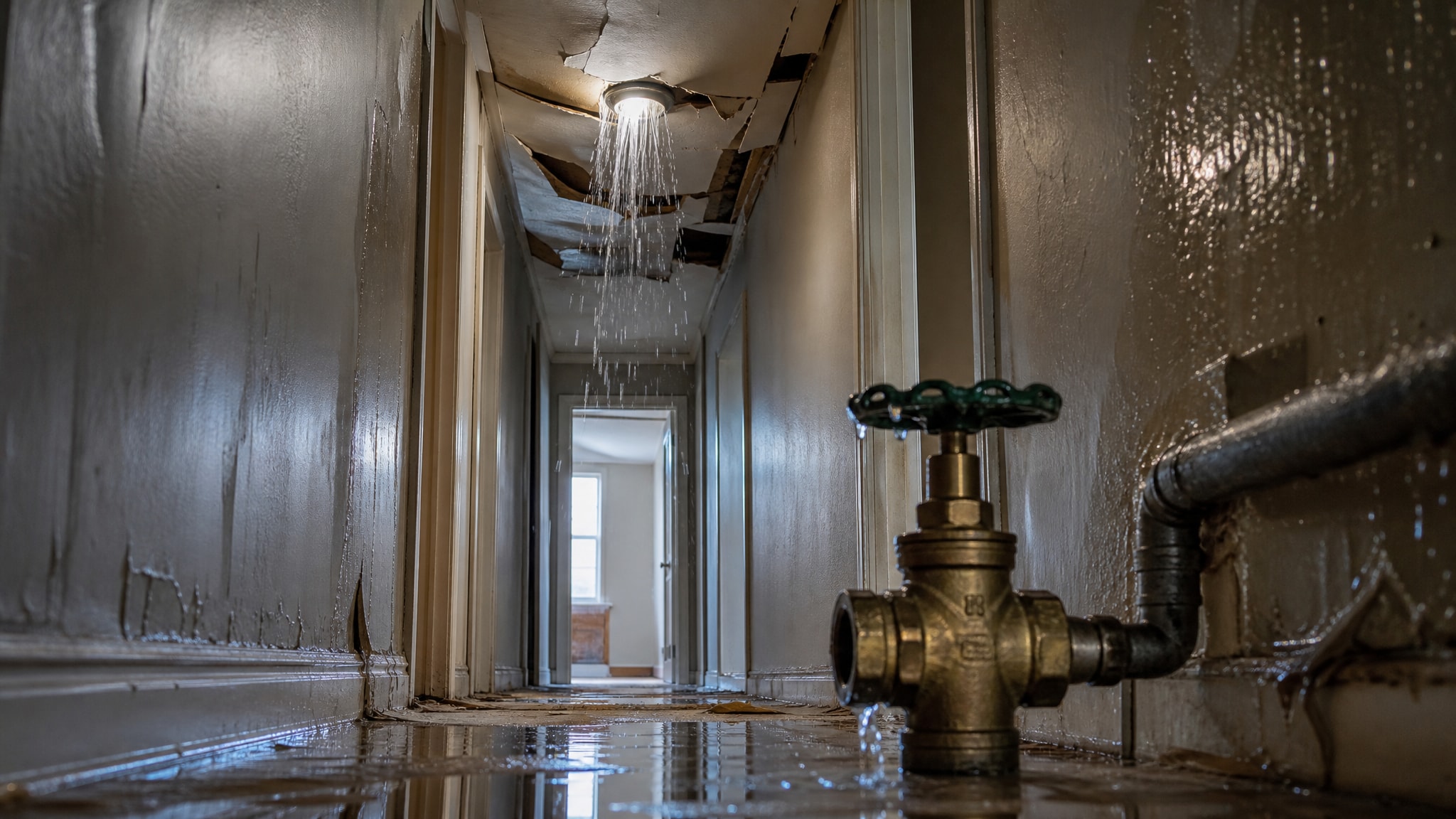
Insurers assess geyser claims on regulatory compliance at the time of loss, not just what caused the failure. Cape Town insurers have rejected water damage claims where post-burst inspections found missing or badly positioned vacuum breakers, citing non-compliance as grounds for denial. Their argument is that an unapproved installation raises the overall system risk beyond what they underwrote. If your geyser safety valve installation lacks proper certification, you carry the cost of the water damage repairs.
Common Claim Rejections Linked to Missing Breakers
Adjusters increasingly ask for photographic evidence of every compliance component before settling burst geyser claims. A missing vacuum breaker suggests the whole installation predates current standards, or was done by someone unqualified. Even where the burst came from unrelated corrosion, the insurer can reduce or deny the payout on grounds of systemic non-compliance. This usually comes after you've already paid for emergency mitigation, so you're left covering repair and restoration on top.
Documentation Required for Valid Coverage
A valid Certificate of Compliance is your primary proof that the geyser safety valve installation met standards when it was issued. The document needs to reference the specific SANS version in force at installation date, and list every verified component, the vacuum breaker included. Insurers may also ask for the plumber's PIRB registration number to check the certificate against industry databases. Keep digital copies. It speeds up claims and shows you've kept up maintenance.
Essential Geyser Compliance Parts Beyond the Vacuum Breaker
Geyser compliance parts work as a system, each one addressing a different failure mode. Pressure control valves cap incoming mains pressure at safe levels, protecting the cylinder from stress fractures caused by municipal surges. Temperature and pressure relief valves give the system an emergency discharge path if the thermostat fails and the water nears boiling. Isolation switches let you cut power safely for maintenance without going anywhere near the distribution board. All of these have to work alongside the vacuum breaker for the system to be fully compliant.
We don't install vacuum breakers as standalone fixes on systems missing other mandatory safety devices. A compliant geyser needs every specified component present and working at once. Partial compliance satisfies neither the regulator nor the insurer, and it gives you false confidence in a system that isn't actually safe.
Geyser Vacuum Breaker Installation Cost Factors in Cape Town
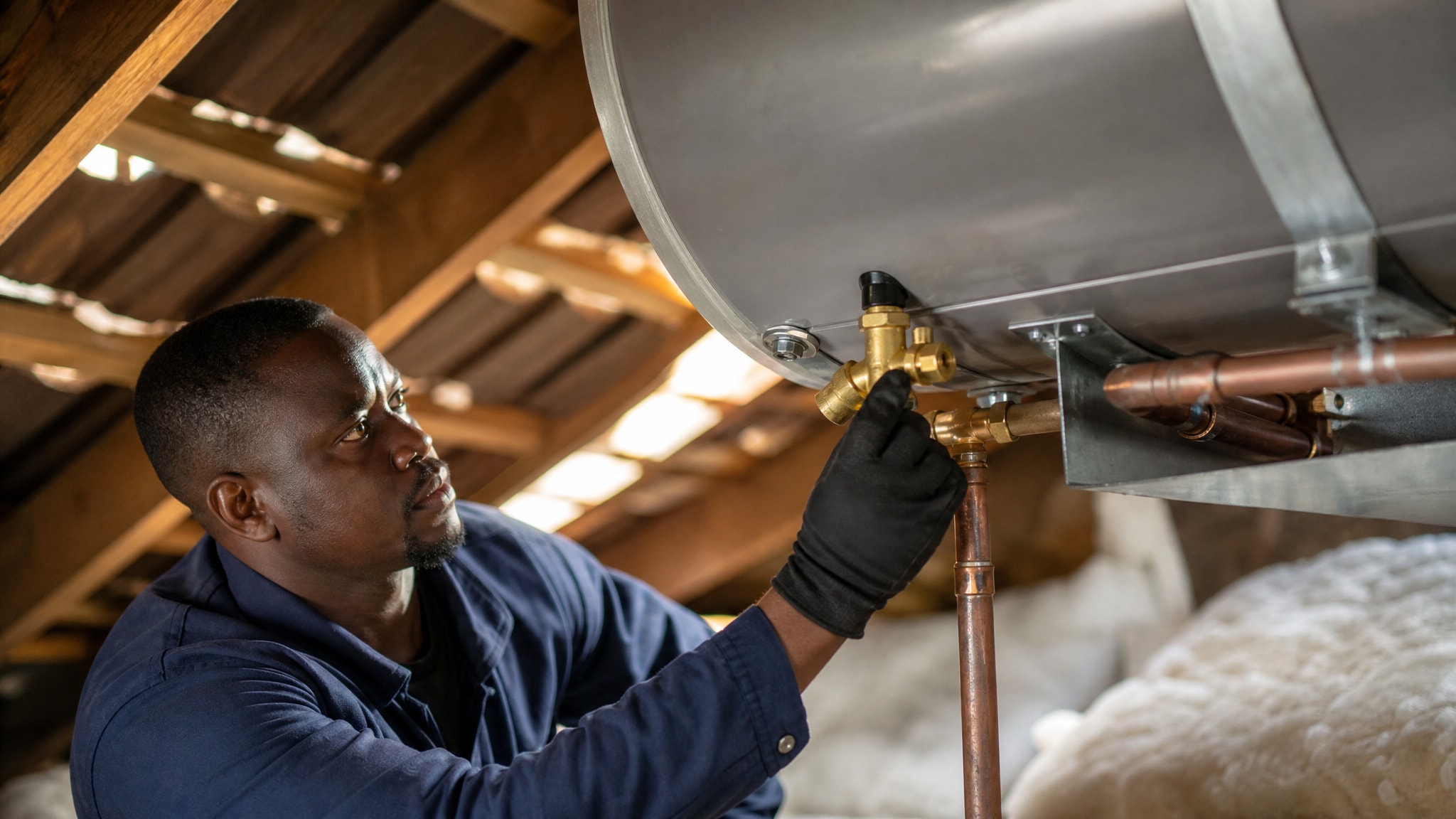
Pricing for geyser vacuum breaker installation depends on site conditions, not a flat rate. Labour usually costs more than the component itself, because getting to existing pipework in a confined roof space takes time. Budget for extra adapters or pipe modifications if you're retrofitting an older system that was never built to take modern safety devices. Our geyser installation cost breakdown has more detail on pricing for vacuum breaker work as part of a broader replacement job.
Labour vs. Component Pricing Breakdown
The vacuum breaker valve itself is fairly cheap. The skilled labour to install it properly is where the cost sits. Technicians have to work around existing insulation, electrical wiring and structural elements to reach the right mounting position safely. Tight roof cavities and awkward access stretch the job out and push labour charges up. New installations during a geyser replacement cost less, because the workspace is already open and the pipework is being set up from scratch anyway.
When Retrofitting Costs More Than New Installs
Retrofitting a vacuum breaker onto an existing geyser often means cutting into established copper lines and fitting new compression joints. Older pipework can be brittle or corroded, which sometimes means replacing whole sections beyond the valve itself. These complications add material cost and labour hours that a new installation wouldn't need. We flag potential retrofit complications upfront, so the quote reflects your actual site rather than a best-case guess.
Booking a Qualified Plumber for Geyser Overflow Pipe Installation
Only PIRB-registered plumbers can legally certify geyser overflow pipe installation and vacuum breaker compliance in South Africa. Checking that registration protects you from fraudulent certificates that insurers will reject at claims stage. You need someone who knows the current SANS requirements and carries professional indemnity cover for compliance work. Our licensed geyser compliance services connect you directly with technicians who specialise in this kind of regulatory installation.
Verifying PIRB Registration and SANS Knowledge
Ask any plumber for their PIRB licence number before booking the job, and check it independently against the official registry. Make sure they reference SANS 10254:2026 specifically, not a vague mention of "compliance" or "standards." A technician who doesn't know the current edition may install an outdated configuration that fails inspection. Ask to see examples of CoCs they've issued for similar vacuum breaker jobs, so you can judge the quality of their documentation.
Service Areas Across Stellenbosch and Surrounds
We at Plumbmax serve Stellenbosch, Somerset West, Gordons Bay, Paarl and Wellington for compliance jobs that need certified vacuum breaker installation. Check our local plumber availability to confirm we cover your suburb. Rural properties outside these areas may need an alternative licensed practitioner familiar with local municipal bylaws, proximity matters when a compliance failure turns into an active leak.
Signs Your Existing Vacuum Breaker Needs Replacement
Vacuum breakers degrade over time from mineral buildup, rubber seal wear and thermal cycling. Continuous dripping from the valve points to internal seal failure, which hurts both function and water efficiency. Air ingress noises during normal operation suggest the valve is sticking open, or failing to reseat properly after pressure fluctuations. Visible corrosion on brass bodies or plastic housings signals structural failure is coming, and it needs attention immediately. Our guide on warning signs of geyser failure covers related symptoms worth checking before things break down completely.
Comments