

Heat Pump Geyser Installation Cape Town | Plumbmax
Water heating is usually the biggest single item on a Cape Town electricity bill. It's the obvious place to start if you want lower bills without cold showers. We at Plumbmax install heat pump geysers across the metro and Winelands as a practical alternative to standard resistance elements, same hot water, lower running cost.
The technology has moved from a niche option to a mainstream one over the last decade, partly because tariffs have kept climbing. Our mild regional climate is a large part of why these systems work as well as they do here.
How Heat Pump Geysers Work for Cape Town Homes
A heat pump doesn't generate heat by resistance, the way a standard element does. It moves heat from the air outside into your water cylinder, using a refrigerant cycle much like an air conditioner running in reverse.
Extracting Heat from Ambient Air
The system pulls low-grade heat out of the air even when that air feels cool to the touch. This keeps working because ambient air temperatures in Cape Town rarely drop below the operating threshold modern heat pump geysers need, so the system stays efficient year-round. The compressor concentrates that heat and pushes it into the water through a heat exchanger, reaching normal domestic hot-water temperatures on a fraction of the electricity a standard element would use.
Heat pump geysers typically use 60-70% less electricity than standard resistance element geysers under optimal conditions.
That figure holds specifically because our local climate keeps the ambient warmth fairly consistent through the year. You get the savings without changing how you use hot water, and without lower temperatures in winter.
Integration with Existing Plumbing
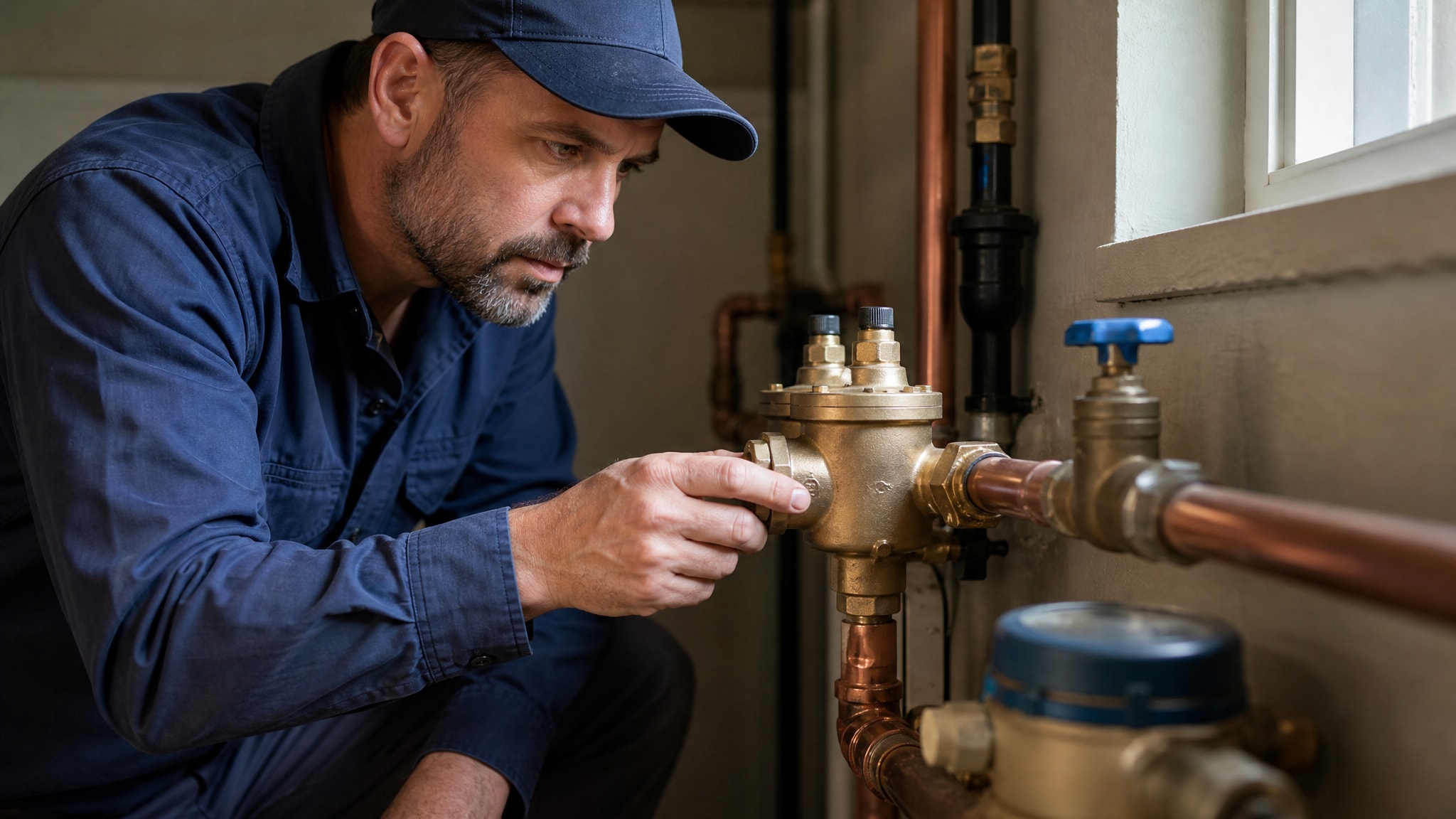
These units connect to the cold feed and hot distribution lines already running through most homes. The installation keeps your existing pipework in place and swaps out only the heating mechanism, so there's no need for renovation work. Our technicians check your current plumbing before recommending a unit size or where it should sit.
Getting the integration right also means wiring the backup electric element so it only kicks in during a real cold snap or a spike in demand. That way you're never without hot water, but you still capture most of the efficiency gain the rest of the time.
Heat Pump vs Solar Geyser: Choosing the Right System
Which of these two suits your property depends on the site, not on general performance claims. Both cut grid electricity use, but they get there differently, and that difference matters depending on your roof, your budget and how much sun your property actually gets.
Performance During Load Shedding and Cloudy Weather
Solar thermal collectors need direct sun to work, so their output drops on the overcast winter days when hot water demand is actually highest. A heat pump doesn't care about cloud cover, it keeps pulling ambient heat regardless, which makes it more consistent through Cape Town's wet season. It does, though, still need electricity to run the compressor and fan, which solar thermal doesn't.
Neither system heats water during load shedding unless it's backed by a battery or an inverter circuit. Solar thermal tends to hold its stored heat longer thanks to better insulation, while a heat pump cylinder cools faster if the power's off for a while. How load shedding affects a heat pump versus a solar system is worth thinking through before you decide, based on how much interruption your household can tolerate.
Upfront Costs Versus Long-Term Savings
A full solar thermal installation, collector panels, mounting hardware, the specialised piping, usually costs more upfront than a comparable heat pump. Heat pump conversions tend to be cheaper going in because they reuse the existing cylinder and need less structural work. If you're weighing the numbers, geyser installation costs in Cape Town is worth a look for context on total investment across the different technologies.
The long-term savings picture depends on maintenance intervals, how long components last, and actual usage, not theoretical maximums. For some households, gas geyser alternatives work out better, depending on gas availability and how much hot water the house actually uses.
Electric Geyser to Heat Pump Conversion Process
Upgrading doesn't always mean ripping out the whole system. Retrofitting an existing 150L electric geyser with a heat pump unit keeps the working cylinder in place and upgrades only the heating mechanism, which cuts both waste and cost.
Retrofitting Standard Cylinders
We check whether your current cylinder meets the physical and material specs a conversion needs before we do any work. A cylinder has to have adequate insulation and enough structural integrity to handle the different thermal cycling a heat pump puts it through. If your existing unit is already showing signs your geyser needs replacing, we'll recommend a new cylinder built for heat pump use rather than retrofitting an old one.
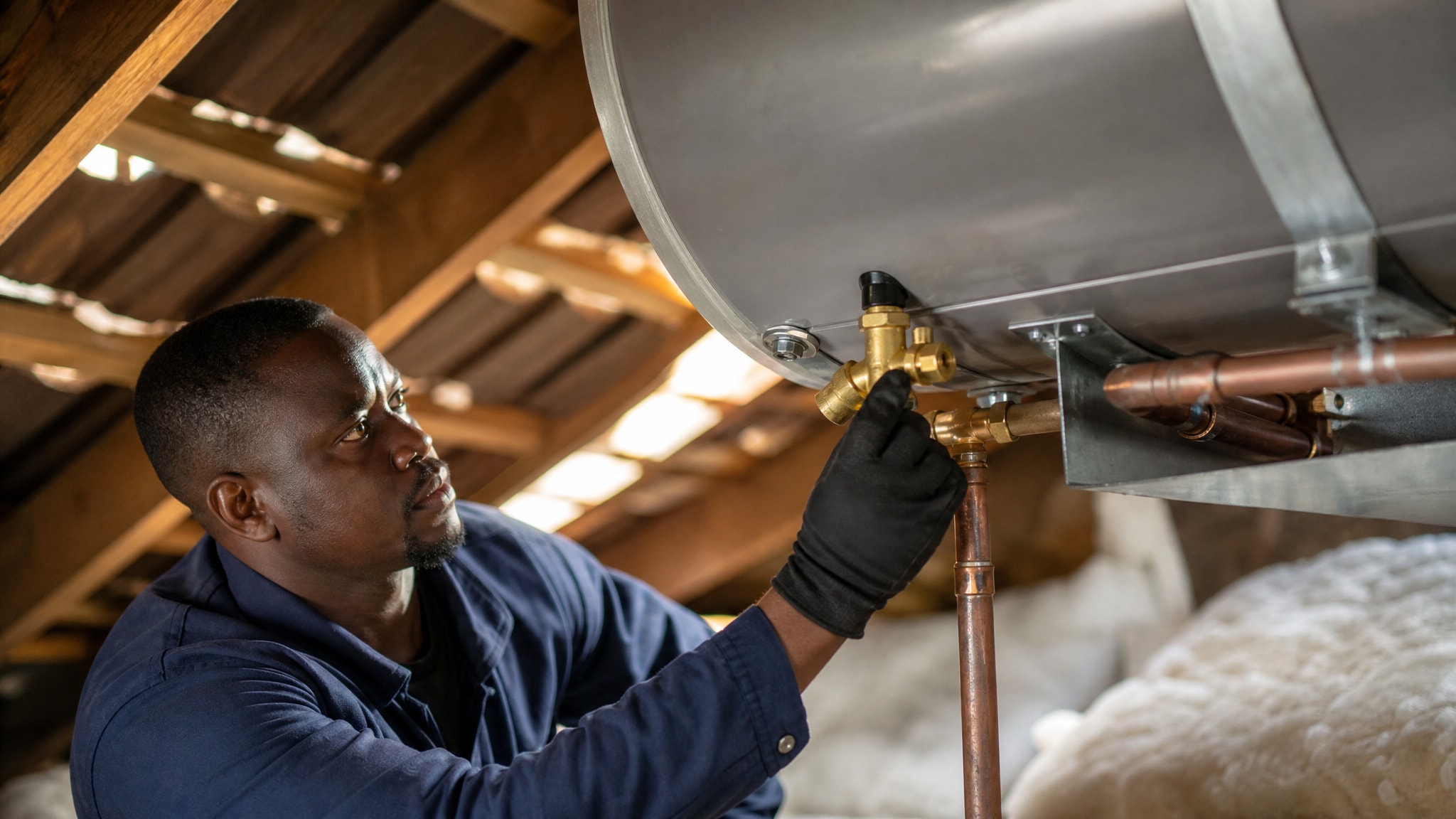
The conversion itself involves mounting the heat pump unit next to or on top of the existing cylinder and running refrigerant lines to a dedicated heat exchanger coil. The original electric element stays in place as backup, and only switches on when conditions fall outside the heat pump's efficient range.
Electrical and Spatial Requirements
The unit needs proper airflow around it, this isn't optional. Install it in a cramped, unventilated space and it overheats, loses efficiency, and can void the manufacturer's warranty. We check that the intended spot has clearance on all sides, keeps rain off the unit, and doesn't restrict air intake.
Correct electrical isolation switches and properly rated circuit breakers protect both the equipment and your home's wiring, and give safe access for maintenance later. Don't attempt this wiring yourself, a bad connection is a fire risk and can invalidate your insurance.
Heat Pump Geyser Cost in Cape Town and Running Savings
Weighing this upgrade means being honest about the payback period, not optimistic about it. Installation costs more than a standard electric geyser because of the extra components and labour, but lower energy use usually closes that gap over time through smaller monthly bills.
How fast you recover that cost depends on household size, water use, and current electricity tariffs. A high-consumption household recovers its investment faster, because each kilowatt-hour saved is worth more in money terms. A low-usage property takes longer to break even, even at the same percentage saving.
Tariff changes expected for 2026 and 2027 will likely shorten the payback period for anyone who installs before the next round of increases. Municipal inclining block tariffs punish high consumption disproportionately, so efficiency gains become more valuable as the baseline rate climbs.
This isn't the right upgrade for every property. A home with very low hot water demand may never recover the extra installation cost through savings alone, and standard electric or gas remains the more sensible choice there.
Heat Pump Geyser Servicing in Cape Town
Regular maintenance is what keeps the efficiency gains and prevents parts failing early, especially near the coast. Salt-laden air corrodes external components faster and clogs air filters, which restricts airflow and forces the compressor to work harder than it should.
Maintenance and Servicing Needs
Clean the air filter at least every quarter; closer to the coast or in dusty areas, do it monthly to keep the rated performance. A neglected filter makes the compressor draw more power while delivering less heat. We at Plumbmax check and clean the filter on every service visit.
Anode rod inspection is another job homeowners tend to skip until there's damage. The sacrificial anode protects the inside of the cylinder from corrosion caused by dissolved minerals in the municipal water. Replacing a depleted anode during a scheduled service extends the cylinder's life and keeps the warranty valid for installations across Stellenbosch, Somerset West, Gordons Bay, Paarl, and Wellington.
Checking compressor oil levels and refrigerant charge needs specialised tools and training most general handymen don't have. DIY beyond basic filter cleaning risks damaging components or creating a safety hazard. Heat pump geyser servicing in Cape Town from a qualified technician keeps you compliant with manufacturer requirements and protects what you've spent.
Why Choose Plumbmax for Heat Pump Water Heater Installation
Technical competence matters more than marketing when you're hiring someone for a job like this. Wrong sizing, poor placement, or bad electrical work undoes the efficiency gains and creates problems that cost more to fix than doing it right the first time would have.
Local Expertise Across Stellenbosch and Somerset West
We at Plumbmax install heat pump systems across Stellenbosch, Somerset West, Gordons Bay, Paarl, and Wellington, and we know how water quality differs across those areas. Different suburbs have different water chemistry, which affects how fast an anode degrades and which cylinder material makes sense. That local knowledge shapes what we recommend for your address, rather than going off a national average.
Our sizing decisions are based on actual household occupancy and peak demand patterns we've seen across hundreds of local installations. An oversized unit cycles inefficiently; an undersized one can't keep up during high-usage periods. Getting that right takes familiarity with local housing stock and how families in the Winelands actually use hot water.
Compliance and Safety Standards
All our installations follow SANS 10254 and the relevant municipal bylaws for water heating modifications. Non-compliant work is a liability during a property sale and can invalidate an insurance claim over water or electrical damage. We issue a certificate of compliance for every installation.
Our electrical connections meet current wiring codes, proper earthing, isolation provisions, overload protection sized for a heat pump load. Municipal inspectors know our documentation and workmanship, which tends to speed up approvals where a permit is needed. You can see the full scope of what we do at our heat pump services page.
Frequently Asked Questions About Heat Pump Geysers
Is it noisy near bedrooms or living areas? Modern units use sound-dampening mounts and variable-speed compressors, so they're quieter than older generations. Most installations sound about like a fridge running, though the exact noise level depends on the model and what it's mounted on.
When does the backup element switch on? It kicks in automatically when the ambient temperature drops below the heat pump's efficient range, or when demand spikes faster than the unit can recover. You get uninterrupted hot water without doing anything yourself.
Will it work with a prepaid meter? That depends on your meter type and available circuit capacity, not on the technology itself. A heat pump draws more current at startup than a standard element, and that can trip an undersized prepaid meter or eat into your credit fast during the first heating cycle. We check your meter during the site visit and flag any upgrade you'd need before installing.
If your situation is unusual, a site assessment beats a generic answer. Contact us and we'll look at your actual property before recommending anything.
Comments