

Geyser Drip Tray Installation in Cape Town: SANS Compliance
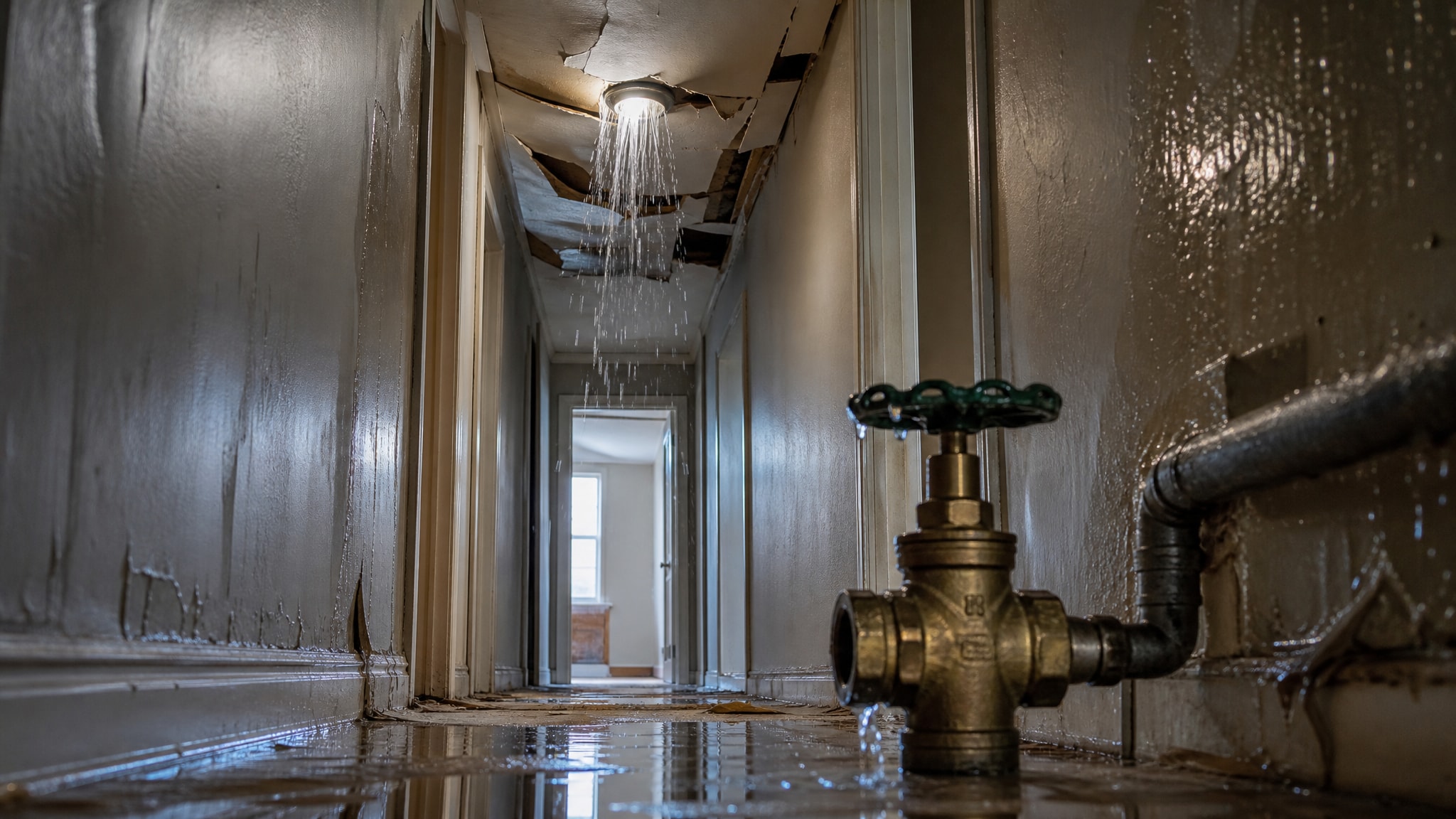
A leaking geyser inside a roof space can destroy ceilings, insulation, and electrical fittings before you notice the first drop of water. SANS 10254 requires secondary containment for pressure vessels installed inside building envelopes, to stop that kind of structural water damage. Many Cape Town homes still don't have it. We at Plumbmax install compliant geyser drip trays that catch leaks and route overflow safely outside, protecting your property and your insurance cover.
This isn't an optional upgrade reserved for new builds.
Why Geyser Drip Trays Are Mandatory for Insurance Compliance
The national standard treats secondary containment as a safety requirement, not a best-practice suggestion. SANS 10254 calls for a drip tray under every geyser installed inside a roof void or above a ceiling line, to catch discharge from the vessel or its valves. Standard electric geysers and solar water heating systems both need one. Both operate under pressure, and both carry the same failure risk inside the building envelope. Check that your current installation meets this standard, no matter when the original work was done.
SANS 10254 Requirements for Secondary Containment
The tray has to extend beyond the geyser's footprint, to catch water escaping from safety valves or pipe connections. It must be corrosion-resistant and able to hold the vessel's full contents in a catastrophic failure without deforming. Installers also have to keep the tray level and properly supported, so water pools toward the overflow outlet instead of spilling over the edge during an emergency release.
How Insurers Assess Water Damage Claims Without Trays
Cape Town insurers frequently deny ceiling collapse claims when post-incident inspections turn up missing or non-compliant drip trays beneath a failed geyser. Adjusters treat the absence of mandated containment as negligence that made the loss worse, and the repair bill lands back on the homeowner. A degraded tray can sink a claim just as fast as no tray at all, because it shows the same failure to maintain required safety standards over time.
Professional Installation Process for Geyser Leak Prevention Trays
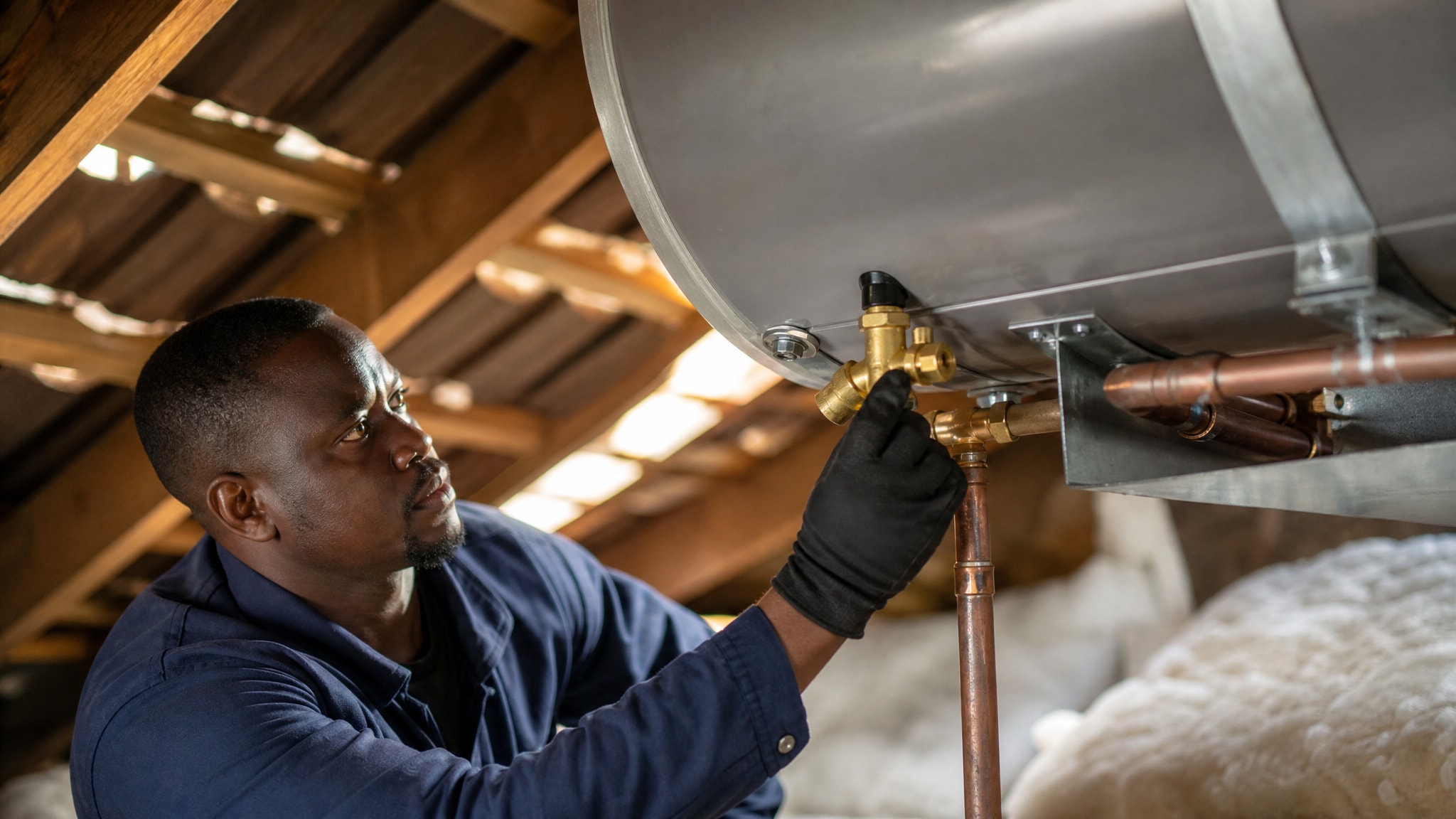
We at Plumbmax install drip trays sized to each geyser's exact dimensions and route overflow pipes to external discharge points per SANS requirements. Getting the placement right means accounting for thermal expansion movement and valve discharge trajectories, so the tray contains a failure fully rather than partially. That takes an understanding of how different geyser models actually behave under stress, and it's what stops water bypassing the tray during the high-pressure releases that happen when a temperature relief valve opens suddenly.
Retrofitting these systems into existing roofs takes more care than fitting them during new construction.
Correct Sizing and Positioning Under the Geyser
Tray dimensions have to match the litre capacity and physical profile of your water heater. A 150-litre geyser needs different containment than a 200-litre unit, and solar collectors often need custom-shaped trays because of their horizontal orientation. We measure the available roof space and adjust the tray position around existing timber trusses, while keeping the required clearance around safety valves and electrical components.
Connecting Overflow Pipes to Safe Discharge Points
The overflow pipe from the drip tray has to discharge to a visible external point, where water release will actually alert someone in the house to a problem. Route it wrong and water pools inside the ceiling cavity during a valve failure instead, which defeats the whole point of the containment. We use approved piping materials and secure fixings, to stop sagging or blockages that could cause backup during a heavy discharge event.
Cost Factors for Geyser Tray Fitting in Cape Town
Pricing for geyser leak prevention tray installation depends on site conditions rather than a single fixed rate. Material choice, roof accessibility, and the complexity of existing plumbing all shape the final quote after assessment. If you're trying to work out total system costs rather than just the tray, our full geyser installation pricing breakdown shows how tray fitting fits into the broader water heating budget.
This service doesn't cover unrelated plumbing repairs found during inspection unless we've specifically quoted for them.
Material Differences Between Plastic and Metal Trays
High-density polyethylene trays resist corrosion well and cost less, which suits standard residential installations. Galvanised steel trays give more structural rigidity for larger commercial units, or where the tray needs to support extra weight from pipe runs. Your installer should recommend the material based on your geyser type, roof environment, and budget, not just default to the cheapest option on the van.
Labour Estimates for Retrofit vs New Installations
Fitting a drip tray during initial geyser replacement usually adds little labour time, because the roof space is already open and clear. Retrofitting into older properties tends to cost more. Working conditions are tighter, old insulation has to be moved carefully, and existing pipe runs get in the way of tray placement. Heritage homes and steep-pitched roofs add hours on top of that, since installers can't work efficiently without extra safety equipment and prep time.
Common Signs Your Existing Drip Tray Needs Replacement
Visible deterioration means your secondary containment can no longer be trusted to work. Rust stains on the ceiling directly below the geyser suggest the tray has corroded through, or has overflowed repeatedly without draining properly. Damp insulation in the roof cavity means small leaks are already escaping containment and soaking into surrounding materials. That brings mould risk and cuts thermal performance long before any major failure shows up.
Corrosion on the tray surface itself means replacement is overdue.
Plastic trays go brittle after years of heat exposure and can crack under the weight of accumulated sediment or debris. Find cracks, holes, or real deformation during inspection, and the tray can't contain a sudden release. It's a false sense of security. Undetected leaks above ceilings sometimes trace back to a failed tray, and fixing a concealed pipe leak often shows that the secondary containment gave way first.
Integrating Drip Trays with Geyser Safety Valves
Secondary containment only works if it's positioned to intercept discharge from every safety device on the system. Temperature relief valves, pressure control valves, and vacuum breakers each discharge differently, and the tray has to account for all of them without obstruction. A misaligned tray misses emergency releases, which defeats the purpose of having one at all, leaving your ceiling exposed despite the tray sitting right there.
Tray placement and valve position need to be planned together, before installation starts.
Coordinating Tray Placement with Vacuum Breakers
Vacuum breakers stop siphoning during supply interruptions, but they can release a lot of water when they activate unexpectedly. Understanding vacuum breaker installation requirements means the tray extends far enough to catch that lateral discharge without splashing over the edge. We position trays around the specific discharge trajectory of your vacuum breaker model, rather than assuming a standard vertical drip.
Ensuring Overflow Alignment with Temperature Relief Valves
Temperature relief valves release steam and hot water straight downward once internal temperatures exceed safe limits. The tray has to sit precisely beneath the valve, with enough depth to handle a sudden high-volume discharge without overflowing. After securing the tray, we check the alignment again, to confirm thermal expansion or vibration hasn't shifted the valve relative to the containment boundary.
Service Areas for Compliant Geyser Installations
We at Plumbmax serve homeowners and property managers across Stellenbosch, Somerset West, Gordons Bay, Paarl, and Wellington for drip tray installations and compliance inspections. Our team knows the local municipal bylaws that affect sign-off requirements, and can advise on regional differences in enforcement or documentation. That familiarity means the work satisfies both national regulations and local authority expectations, without rework or extra call-outs.
Booking an Inspection or Installation With Plumbmax
You can request a site assessment to check current tray compliance, or book a new installation, through our water heating services. We provide documentation suitable for insurance purposes on completion, including photographs and specification notes showing the work meets SANS 10254. That paperwork backs up future claims and shows due diligence during policy renewals or property transfers.
Scheduling an inspection now avoids a costly dispute after water damage happens.
Comments