

Geyser Installation in Stellenbosch | Local Plumbmax Service
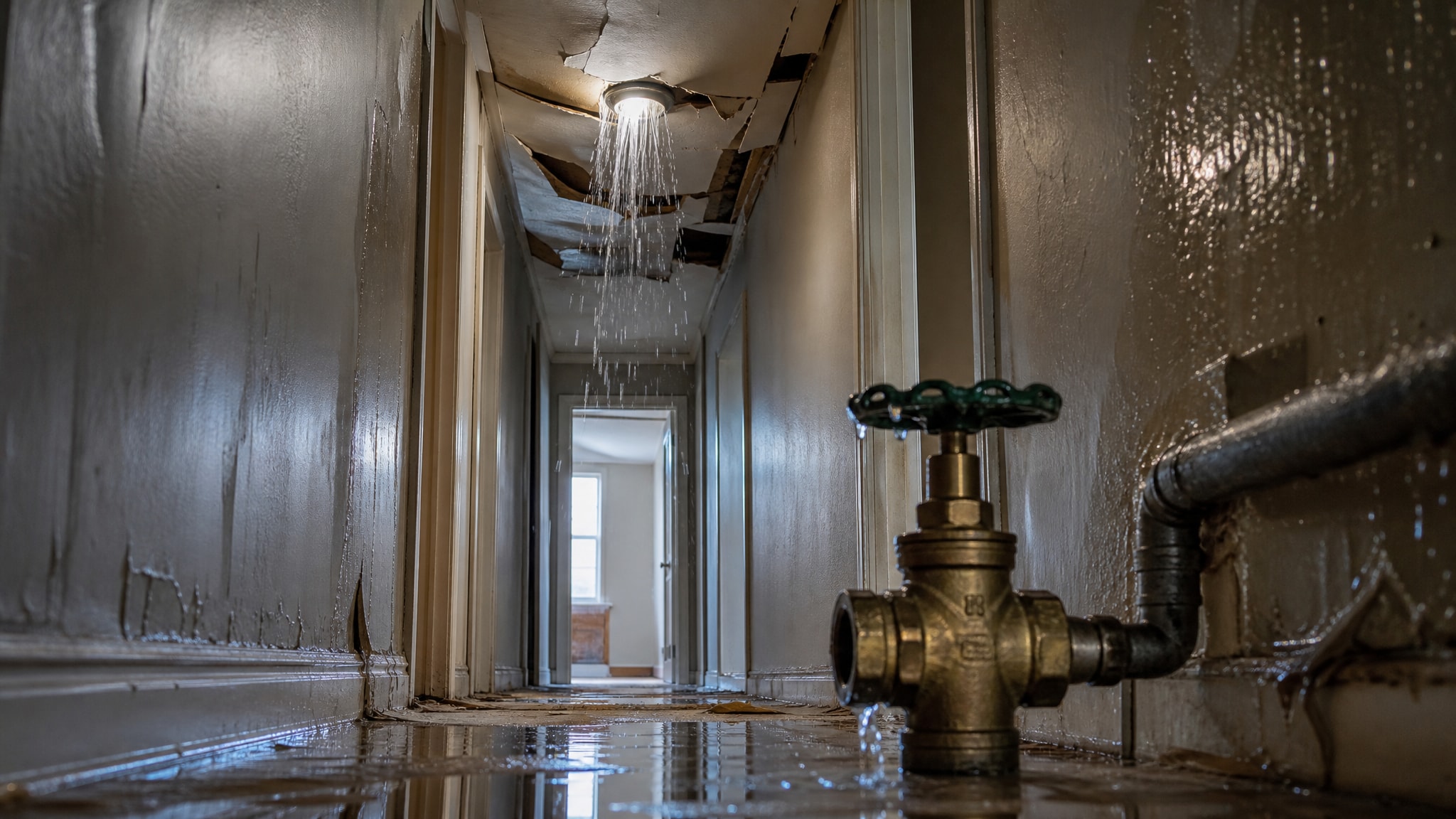
We at Plumbmax are based directly in Stellenbosch. That means we reach properties in Somerset West, Paarl, and Wellington faster than callout services working out of Cape Town. When a geyser bursts, the distance between you and your plumber decides how much ceiling damage you take on and how soon hot water comes back. Because we're local, geyser installation in Stellenbosch gets handled with the speed and neighbourhood familiarity a distant contractor can't match, instead of your emergency getting slotted into someone's cross-town schedule.
Local Geyser Installer in Stellenbosch and Surrounds
You need a technician who knows the specific infrastructure of Winelands properties, not just someone holding a generic plumbing license. We work daily across Stellenbosch central, Somerset West, Gordons Bay, Paarl, and Wellington. That keeps travel times low and response rates high, for scheduled installations and for urgent repairs alike. Staying focused on this area means we carry the right stock for local housing types, so we're not driving back to a distant depot for parts that are standard here.
Service Coverage Across the Winelands
Proximity matters when you're dealing with active water damage or a household with no hot water in winter. A geyser installer in Stellenbosch has to know the water pressure zones and municipal connection standards that differ between suburbs like Devon Park, De Zalze, and Val de Vie. We cover these areas routinely, so we arrive with the right valves, fittings, and compliance paperwork already on the truck, rather than working out site requirements after the fact.
Our local base also keeps callout fees down, because you're not paying for an hour of travel from Cape Town before work even starts. Whether you need geyser installation in Paarl or a replacement in Gordons Bay, the quoted price reflects actual labour and materials, not transit time.
SABS Compliance and Municipal Requirements
A valid Certificate of Compliance (COC) is mandatory for all geyser installations under SANS 10254, and it's what keeps your insurance cover active. Without it, your insurer can reject claims tied to water damage, and you'll run into problems when selling or transferring the property. We issue this certificate on every job because we install to code, meeting the safety standards required by the Stellenbosch municipality and by national regulation.
Certificate of Compliance Standards
The COC confirms the installation meets SANS 10254, covering electrical isolation, structural support, and valve configuration. You get this documentation right after testing, as proof that a qualified professional has checked the system. Skipping this step might save money upfront, but it creates liability that costs far more than proper certification would have.
The certificate isn't paperwork for its own sake. It reflects a physical inspection of the components that stop a tank failure turning into a disaster. If your current installer can't explain what the COC actually covers, or won't provide one, that's a sign they're cutting corners elsewhere too.
Municipal By-Laws for Water Heating
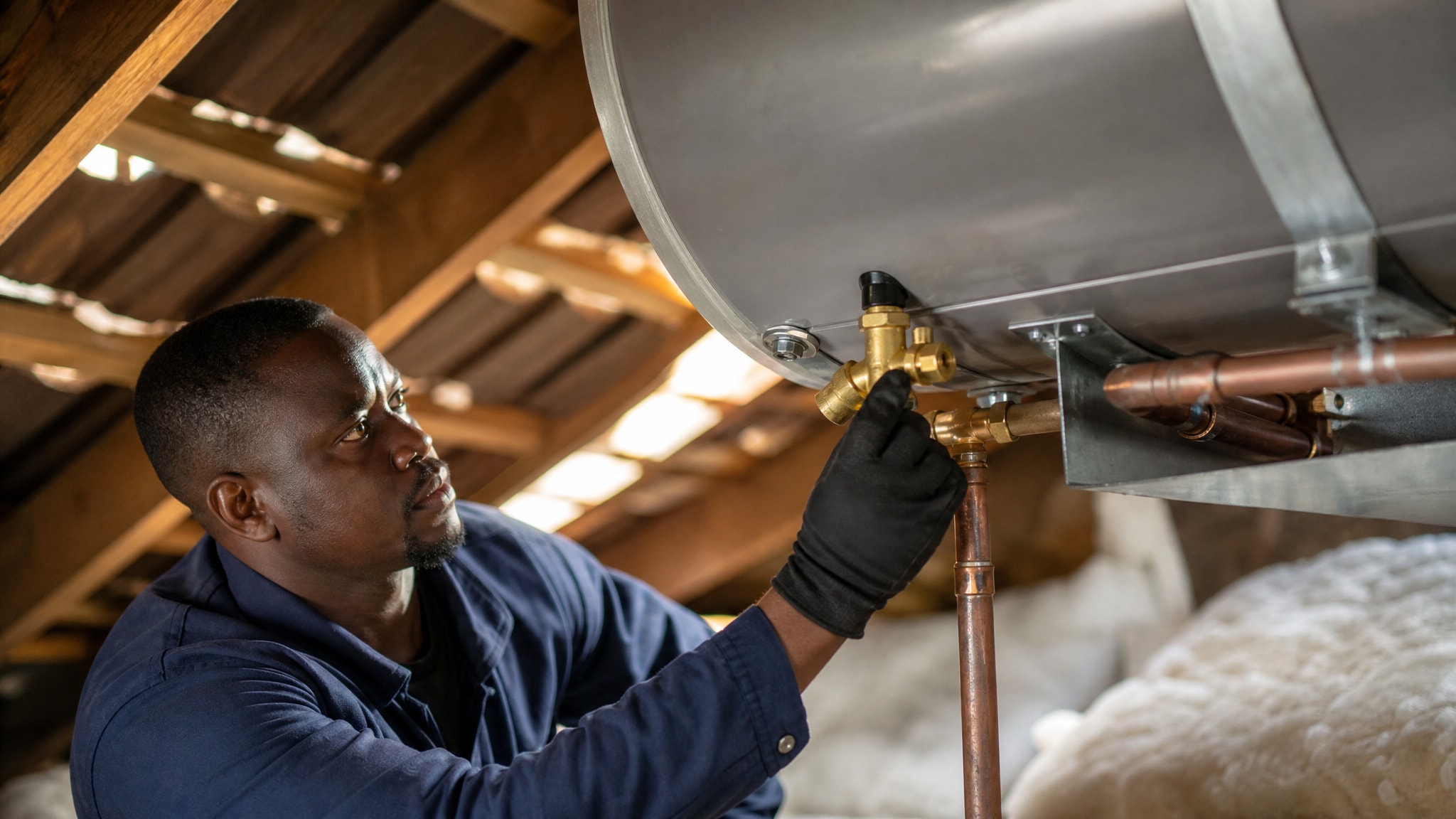
Proper installation includes fitting a drip tray and discharge pipe to stop ceiling damage if the tank fails, and this matters especially in older Stellenbosch homes. These parts route escaping water safely outside the building instead of letting it soak through plasterboard and timber beams. We treat compliant drip tray installation as standard, because municipal by-laws don't leave room for negotiation on this for any unit above living space or inside a roof void.
Vacuum breakers and pressure control valves matter just as much, for stopping backflow and managing thermal expansion in closed systems. Skip these and you risk voiding manufacturer warranties and breaching local building codes, so we check every component against current regulations before signing off.
Electric, Solar, and Heat Pump Geyser Options
Which water heating technology suits you depends on your household's usage and your roof's orientation. Electric geysers remain the most common choice because of lower upfront cost. Heat pump systems typically offer better efficiency in the Western Cape climate than solar-only systems, though, since ambient temperatures stay fairly consistent even through overcast winter months. Base your decision on long-term running costs and realistic usage, not on green-energy marketing that ignores local weather.
Choosing the Right System for Your Home
Sizing matters more than technology type when it comes to avoiding cold showers or wasted electricity. A family of four in a three-bathroom home generally needs at least 200 litres of capacity, while smaller households can often get by on 150 litres if usage is staggered. We look at your actual demand before recommending a size, so you're not paying to heat water you never use, or running short because the unit was undersized to hit a budget number.
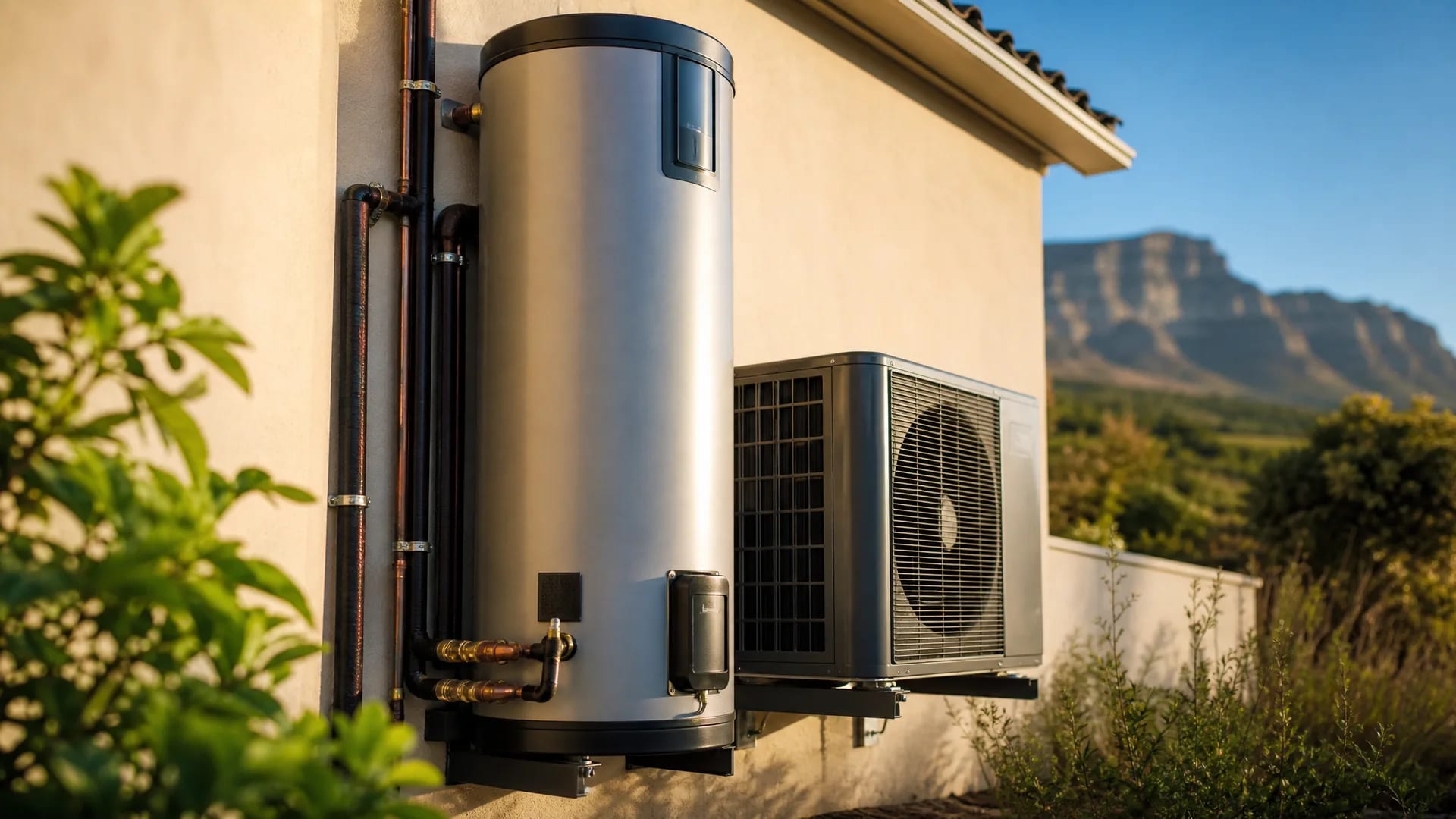
Heat pump geysers pull warmth from the surrounding air, which makes them effective in our mild winters, when solar panels struggle through extended cloud cover. They do need adequate ventilation space, though, and produce some operating noise, so placement has to account for nearby bedrooms and neighbours.
Energy Efficiency Considerations
Solar geysers perform well in summer but often need an electrical backup element during the rainy season, which is exactly when hot water demand peaks. That dual dependency means you're still paying for grid electricity in the months efficiency matters most, which can eat into the expected savings. Heat pumps hold steady performance year-round because they draw on ambient temperature rather than direct sunlight, so running costs stay predictable regardless of season.
Retrofitting existing electric geysers with timers and insulation blankets is a middle ground for homeowners not ready to replace the whole system. These upgrades cut standby heat loss and shift heating cycles away from peak tariff periods, which lowers monthly bills without the cost of new equipment.
Typical Geyser Replacement Process and Turnaround
Replacing a failed geyser is more than swapping tanks. It takes systematic removal, disposal, and reinstallation to make sure the new unit runs safely and legally. We complete most standard replacements in four to six hours, including drainage, installation, pressure testing, and cleanup, so you can plan your day around a real timeline instead of an open-ended wait. That turnaround assumes straightforward access, with no surprises like corroded pipework or non-compliant wiring that needs fixing first.
Assessment and Removal
The process starts with isolating water and power, then draining the old tank fully before disconnecting the inlet and outlet pipes. We check the surrounding area for water damage, corrosion, or structural issues that could affect the new installation, and deal with any of that immediately rather than installing new equipment onto a compromised surface. Old units come out carefully to avoid damaging ceilings or walls, and we dispose of them according to environmental regulations.
This is also where we catch the hidden issues that would otherwise cause the replacement unit to fail early. Finding rotten floorboards or faulty wiring now means no callback and no extra cost later.
Installation and Testing
New units go on stable platforms with proper clearance for maintenance, fitted with all the required safety valves, drip trays, and discharge piping. We reconnect the plumbing and electrical circuits, then fill the system slowly to check for leaks before restoring power and confirming the thermostat works. A final pressure test confirms relief valves open at the right threshold and that vacuum breakers function correctly under negative pressure.
Only once testing passes do we restore full service and walk you through operation and maintenance. You'll know how to adjust settings, what warning signs to watch for, and when the next inspection is due.
Understanding Geyser Installation Costs in Stellenbosch
Pricing depends on unit capacity, technology type, site access, and any extra work needed, like isolation valves or DB board updates. Rather than publish a fixed price that quietly excludes essential components, we give itemised quotes after assessing your specific situation, so you know exactly what you're paying for. For a fuller breakdown of the variables, our detailed geyser installation cost breakdown covers typical ranges and what drives the final total.
A transparent quote protects you from surprise charges mid-job and lets you compare contractors properly. A quote that looks unusually cheap often leaves out mandatory compliance items or uses fittings that fail early, and that costs more over time than a properly specified job would have.
What moves the final cost: whether existing pipework needs replacing, whether the electrics need upgrading for the added load, and whether a heavier unit needs structural reinforcement. Where you are in the service area affects travel time too, though our local base keeps that variable small for Stellenbosch residents. You deserve clarity on all of this before you commit, not ambiguity that turns into a dispute later.
Maintenance and Emergency Support for Local Homes
Geyser failures rarely arrive without warning, yet plenty of homeowners ignore the early signs until the damage is done. Temperature swings, unusual noises, rust-coloured water, or visible moisture around the unit all point to a problem worth inspecting right away. Catching these early usually extends the equipment's life and avoids an expensive emergency callout. Ignore them and failure is only a matter of time, usually at the worst moment.
Signs Your Geyser Needs Attention
Rumbling sounds point to sediment buildup, which cuts heating efficiency and speeds up tank corrosion. A leaking pressure relief valve means excessive internal pressure or valve failure, and either needs prompt attention to avoid flooding. Electrical tripping points to element failure or a wiring fault, and either is a fire risk if left alone.
We respond quickly to emergencies across our service area, because a delayed repair only means more damage. Our technicians carry common replacement parts, so many jobs get sorted in a single visit, which limits downtime and secondary damage to your property.
Regular maintenance checks catch wear before it turns critical. An annual check means anode rods get replaced before tank corrosion sets in, and thermostats stay calibrated for efficiency.
Request a Free On-Site Quote
Accurate pricing means seeing your actual installation conditions, which is why we offer a free on-site assessment with no obligation. You get a detailed written quote built around your property layout, compliance needs, and hot water demand, not a generic estimate that misses the details that matter. Contact us to book that assessment and get straightforward technical advice aimed at solving your problem, not selling you upgrades you don't need.
We serve homeowners across Stellenbosch, Somerset West, Paarl, Wellington, and Gordons Bay with the same standard of competence and transparency. Beyond geyser work, we offer a full range of plumbing services for general maintenance and repairs, so we're one point of contact for your property's water systems. Call today to discuss what you need or book an appointment at your convenience.
Comments