

Geyser Installation Regulations South Africa: 2026 Guide
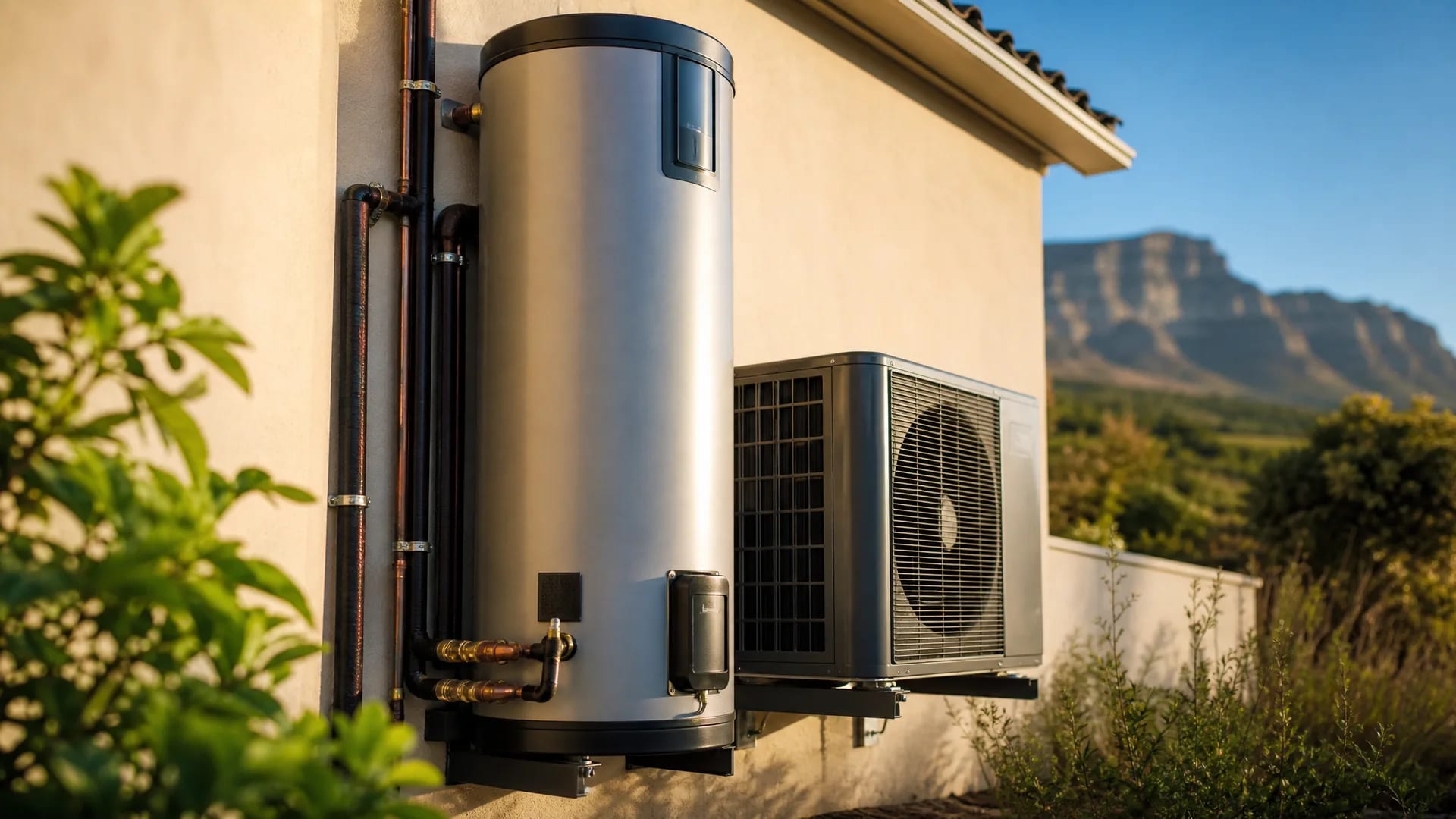
Replacing a water heater involves more than swapping an old unit for a new one. Current geyser installation regulations in South Africa impose strict technical and legal obligations on every property owner. We at Plumbmax meet many homeowners who assume their existing setup is compliant until an insurance claim or municipal inspection reveals otherwise. Getting these requirements right protects your investment and keeps your household hot water system operating safely within national building codes.
Mandatory SANS Standards for Geyser Compliance
South African National Standards are the non-negotiable backbone of all legal plumbing work. Knowing which specific standards apply to your situation saves you costly remedial work later. Before any contractor touches your pipework, check that they know both the installation standard and the broader supply integration code.
Understanding SANS 10254 Requirements
SANS 10254 governs the installation of fixed electric storage water heaters and sets the benchmark for safe positioning, support, and electrical isolation. It dictates how the vessel must be secured to structural elements and how safety valves must be oriented to function correctly during overpressure events. According to the Bellbuoy Group, SANS regulations covering geyser replacements and repairs have seen significant updates, so compliance standards keep moving beyond basic installation, and some older tradespeople haven't kept up.
SANS 10252-1 Water Supply Integration
SANS 10254 covers the heater itself. SANS 10252-1 covers the entire water supply and drainage system that feeds and protects it. SANS 10252-1 explicitly links water installation requirements to the Occupational Health and Safety Act, making regulatory adherence a statutory obligation rather than a guideline. Meeting this broader standard means backflow prevention, pressure regulation, and pipe sizing work together with the heating unit, instead of causing failures elsewhere in your home.
The Geyser Certificate of Compliance Explained
A geyser compliance certificate is the legal declaration that an installation meets the applicable national building regulations and safety standards. It's a separate document from an Electrical Certificate of Compliance, but it's equally mandatory. Since May 2009, homeowners have been legally required to hold a valid Electrical Certificate of Compliance alongside plumbing certification for geyser work, and that requirement still stands.
Who Can Legally Issue a CoC
Only a plumber registered with the Plumbing Industry Registration Board can legally issue a valid certificate of compliance for geyser work in South Africa. The KZN Plumbers Directory confirms geyser compliance certificates are mandatory for any new installation meeting SANS 10254 and National Building Regulations, and unregistered individuals can't provide this documentation regardless of how experienced they are. Always ask for proof of active PIRB registration before you authorize any work on your water heating system.
PIRB Registration Requirements
PIRB registration requires plumbers to keep up ongoing professional development and stick to a code of conduct that holds them accountable for every certificate they issue. The system exists to protect consumers from substandard workmanship, and it gives you a formal dispute resolution route if an installation fails inspection. When we at Plumbmax issue a certificate, our PIRB number ties that document directly to our professional liability and licensing status.
Insurance Implications of Non-Compliant Installations
Insurance companies treat water damage claims involving geysers as high-risk events, and they routinely check compliance documentation before settling payouts. Without proper certification, you carry significant financial risk even when the physical failure looks unrelated to installation quality.
Claim Rejection Risks
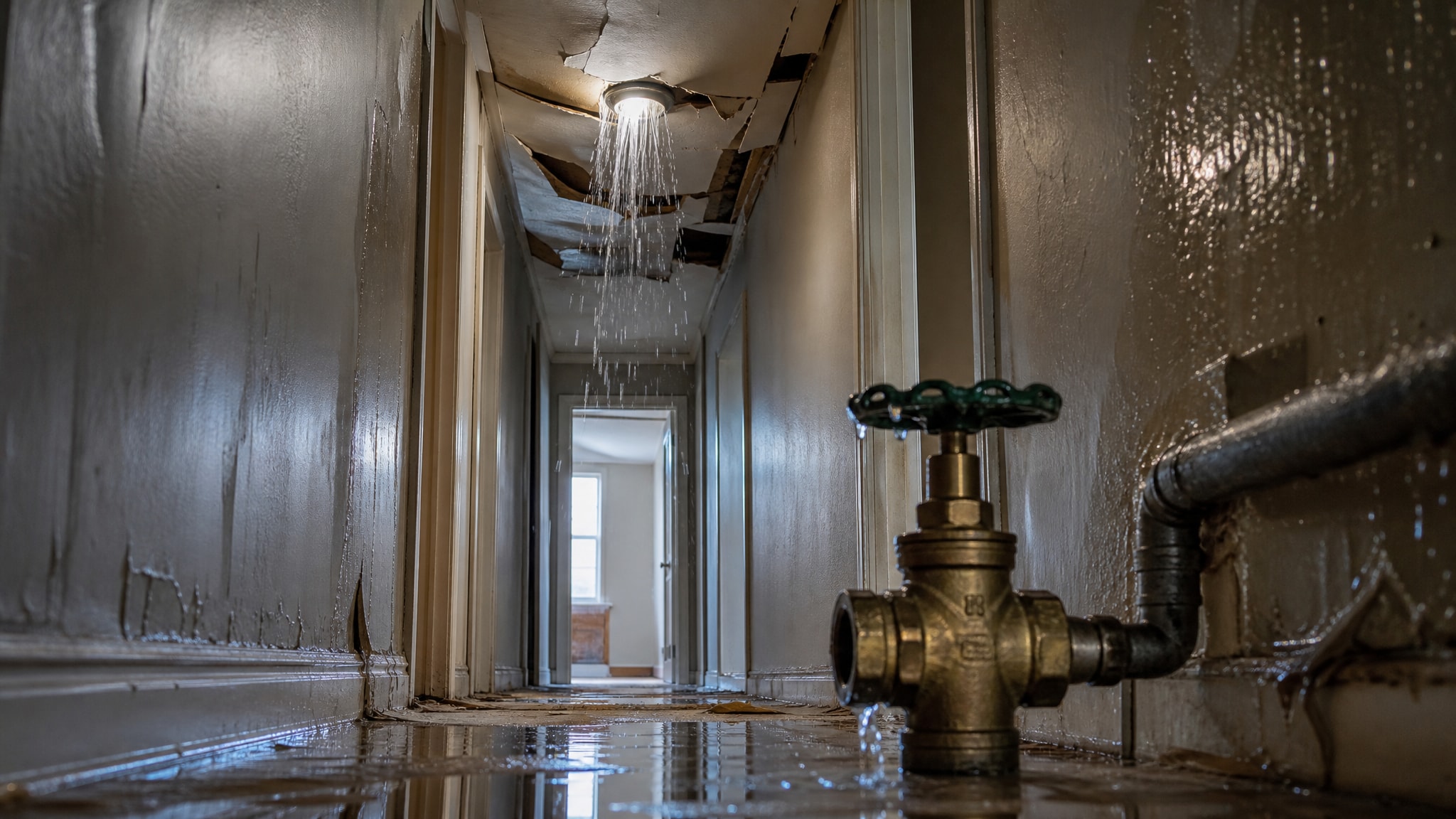
Insurers frequently reject claims where the policyholder can't produce a valid compliance certificate for the failed water heater. Without certification, the insurer has reasonable doubt about whether the installation met minimum safety standards at the time of commissioning. If a burst geyser floods your ceiling void and the insurer decides the original installation broke national building regulations, the bill is yours alone.
Documentation Insurers Request
Adjusters typically ask for the original compliance certificate, proof of PIRB registration for the installing plumber, and sometimes photos of safety components during the claims assessment. Since homeowners have been legally required, since May 2009, to hold a valid Electrical Certificate of Compliance alongside plumbing certification for geyser work, insurers now expect both documents for any claim involving electric water heaters. Keep digital copies of these certificates somewhere secure, so you're not scrambling to validate coverage when it matters.
Critical Safety Components Required by Law
National building regulations mandate specific safety devices that prevent catastrophic failures, and inspectors check each one individually during compliance verification. These aren't optional upgrades. They're fundamental requirements that protect both the equipment and the people living in the building.
Drip Trays and Drainage
Every geyser installed inside a roof space or above living areas must sit within a properly sized drip tray that channels leaking water to a visible discharge point outside the building. Our detailed guide on drip tray installation requirements covers how tray dimensions, slope angles, and outlet positioning must conform to SANS specifications to function as intended. A tray without correct drainage is just a container that will eventually overflow, causing the damage it was meant to prevent.
Vacuum Breakers and Pressure Control
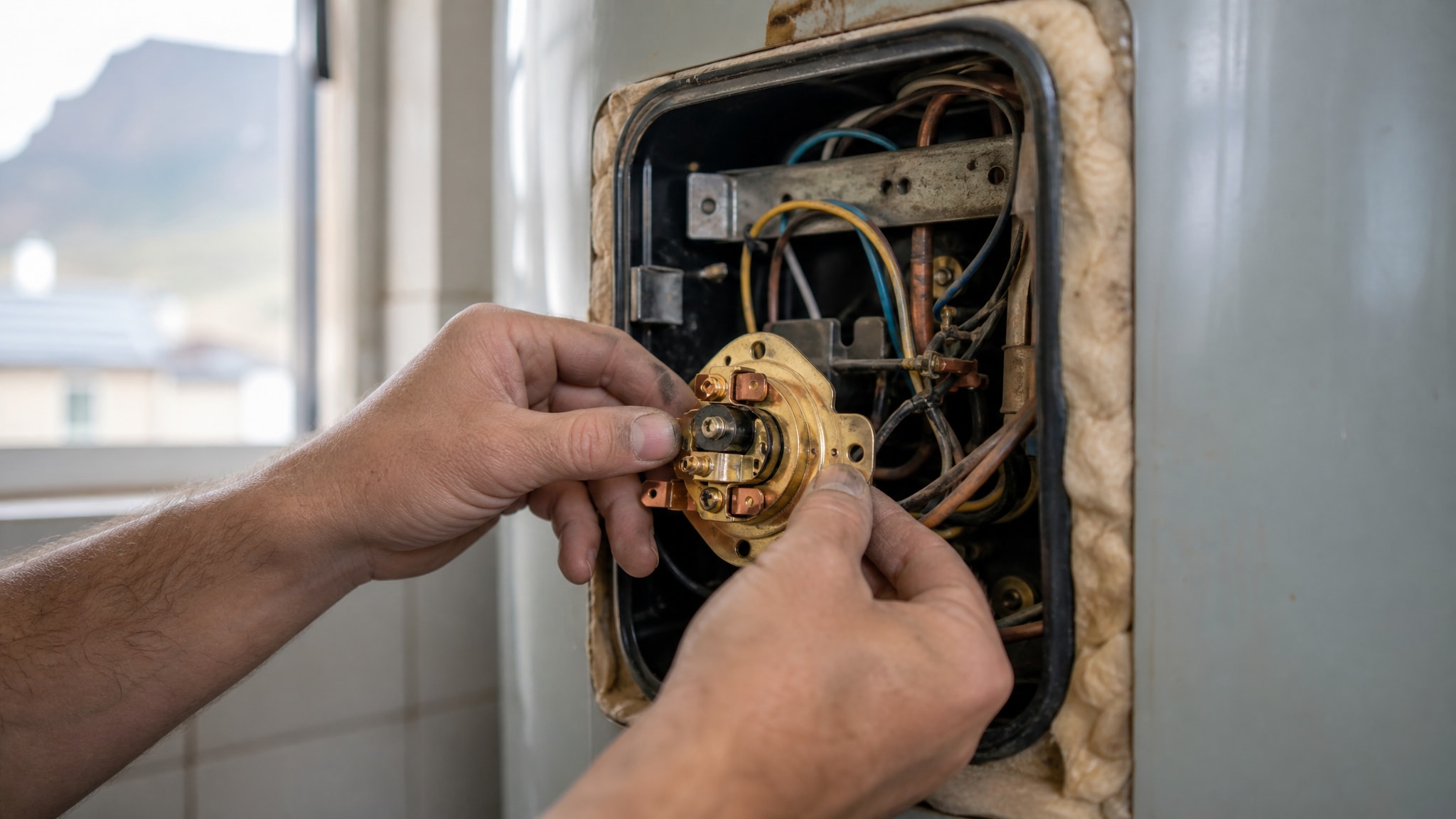
Vacuum breakers stop contaminated water siphoning back into the potable supply when negative pressure occurs in the system, while pressure control valves protect the vessel from municipal supply surges. Proper vacuum breaker compliance needs precise positioning relative to the cold water inlet and correct orientation so the valve can vent to atmosphere during fault conditions. These devices fail silently when installed incorrectly, leaving your system open to backflow contamination or pressure-related rupture with no visible warning.
Regional Compliance in Cape Town and Surrounds
Local municipalities across Stellenbosch, Somerset West, Gordons Bay, Paarl, and Wellington enforce national regulations through their own building control officers, who interpret and apply standards within regional contexts. We at Plumbmax deal with these municipal inspection requirements daily, and we know how local enforcement practices can differ slightly between jurisdictions while still sitting inside the national framework. Property owners in our service area benefit from working with installers who keep up relationships with local inspectors and stay on top of regional amendments.
Municipal building control officers can request additional documentation or site inspections beyond the standard compliance certificate whenever they spot potential concerns.
Legal Consequences of DIY Geyser Work
Installing your own water heater breaks multiple pieces of legislation and puts unlimited personal liability on you as the property owner. No amount of online research or practical confidence substitutes for licensed professional work under current South African law.
Occupational Health and Safety Act Violations
Unlicensed plumbing work breaks the Occupational Health and Safety Act, which reserves certain installations exclusively for registered professionals. If a municipality finds unauthorized work during a routine inspection or property transfer, it can force you to remove and reinstall the unit through certified personnel, at your expense. These violations stay attached to the property record and can complicate future sales or refinancing.
Liability for Property Damage
Homeowners who skip certified professionals take on full personal liability for any property damage, injury, or third-party losses the non-compliant installation causes. Manufacturer warranties also become void immediately when unqualified people do the installation work, leaving you with no recourse if the unit fails early. Emergencies don't exempt you from these requirements either, which is why emergency replacement compliance protocols exist, to make sure urgent work still meets regulatory standards.
Ensuring Your Installation Meets Current Standards
We at Plumbmax follow a systematic verification process for every installation, cross-referencing current SANS requirements, manufacturer specifications, and insurance expectations before we issue certification. Our technicians photograph each safety component and keep records that support your compliance position long after the installation date.
Property owners after guaranteed compliance can use our certified geyser installation services to make sure every part of their water heating system meets current regulatory requirements from the outset. Fitting to SANS-compliant practices at the initial installation stage means you skip the costly remedial work later, and you know your system will hold up under both municipal scrutiny and insurance assessment.
Frequently Asked Questions
What size circuit breaker does a geyser require in South Africa?
Most standard residential geysers require a 20-amp double-pole circuit breaker paired with appropriately sized cabling to handle the load safely. The exact rating depends on the element wattage and cable run length, so a registered electrician must calculate this based on your specific unit and distribution board capacity. Installing an incorrectly sized breaker creates fire risk or nuisance tripping and invalidates your electrical compliance certificate.
How can I reduce my geyser's electricity consumption?
Installing a geyser timer and insulating blanket typically yields the most immediate savings by limiting heating cycles and reducing standby heat loss. Lowering the thermostat to 60°C also decreases energy use while still providing adequate hot water for most households. These modifications must comply with SANS standards to remain insurable, so consult a registered plumber before making changes.
Where are gas geysers permitted to be installed?
Gas geysers must be installed outdoors or in well-ventilated spaces that meet specific air volume and ventilation requirements under SANS 10087-1. They cannot be placed in bathrooms, bedrooms, or enclosed cupboards due to carbon monoxide poisoning risks and combustion air requirements. A registered gas installer must verify adequate ventilation and clearances before commissioning any LPG water heater.
What does it cost to install a 150-litre geyser in Cape Town?
Installation costs vary significantly depending on accessibility, required safety components, and whether existing pipework needs modification to meet current SANS standards. Contact us directly for an accurate quote based on your specific property conditions and chosen geyser model rather than relying on generic estimates. We provide detailed quotations that itemize all compliance components so you understand exactly what you are paying for.
Comments