

Geyser Burst Emergency Plumber: Same-Day Replacement
A burst geyser releases hundreds of liters of hot water into your roof space within minutes. Ceiling boards soak through, and live electrical hazards appear before you can even find the isolation point. When you're standing in a puddle watching water pour through a light fitting, panic is the enemy. Clear action is the only safety net. We at Plumbmax handle these crises daily across Stellenbosch, Somerset West, Gordons Bay, Paarl, and Wellington, and we provide same-day emergency geyser replacement that restores hot water without compromising on SANS compliance or structural safety.
Immediate Safety Steps When a Geyser Bursts
Isolate the electricity at the distribution board before you touch any plumbing fixtures or go near wet areas. That comes first, always. Water conducts electricity efficiently, and a flooded ceiling cavity often soaks wiring long before any leak becomes visible downstairs. Electrocution is a genuine risk in those first minutes. Don't enter a room with active dripping near light switches or outlets until a qualified person confirms the power is cut to that circuit.
Shut off the main water supply right after you secure the electrical system. That stops the continuous flow feeding the rupture. Stopping the source is the first real step in limiting the damage, because every extra minute of flow adds to the water damage bill while you wait for help. Open a hot water tap somewhere in the house to relieve the pressure still in the system and let remaining water drain away from the breach point safely.
Don't climb into the roof space yourself to inspect the damage or find the tank. Wet timber trusses go slippery and lose strength under saturated insulation, and an untrained person can fall through the ceiling or disturb live wiring hidden in the insulation. Leave the physical assessment to professionals who carry the right safety equipment and know where structural weaknesses develop after prolonged water exposure.
Assessing Ceiling Damage and Water Leaks
Ceiling damage from a burst geyser often looks worse than it is. Plasterboard absorbs water fast and sags visibly even when the structure underneath is sound. Still, you need to tell the difference between residual drainage from an already-isolated system and an active leak that keeps adding weight to compromised material. If water keeps flowing despite closed valves, the feed line itself may have ruptured upstream, and that needs professional attention beyond simple tank isolation.
Leave the room below the affected area if the ceiling bulges, cracks along the joint lines, or you hear creaking from the roof cavity. Those are signs the gypsum board has reached saturation point and could come down without warning. Anyone standing underneath could get hurt. Your insurance will cover material replacement, but no policy pays out for injuries you could have avoided by staying clear.
Photograph the damage once the area is safe and dry enough to access. Insurers want clear evidence of both the cause and the extent of loss, and timestamped photos taken right after isolation help establish the timeline for your claim. Don't move furniture or remove damaged material before an assessor visits. A disturbed scene complicates the evaluation and can delay payout.
Emergency Geyser Replacement Process in Cape Town
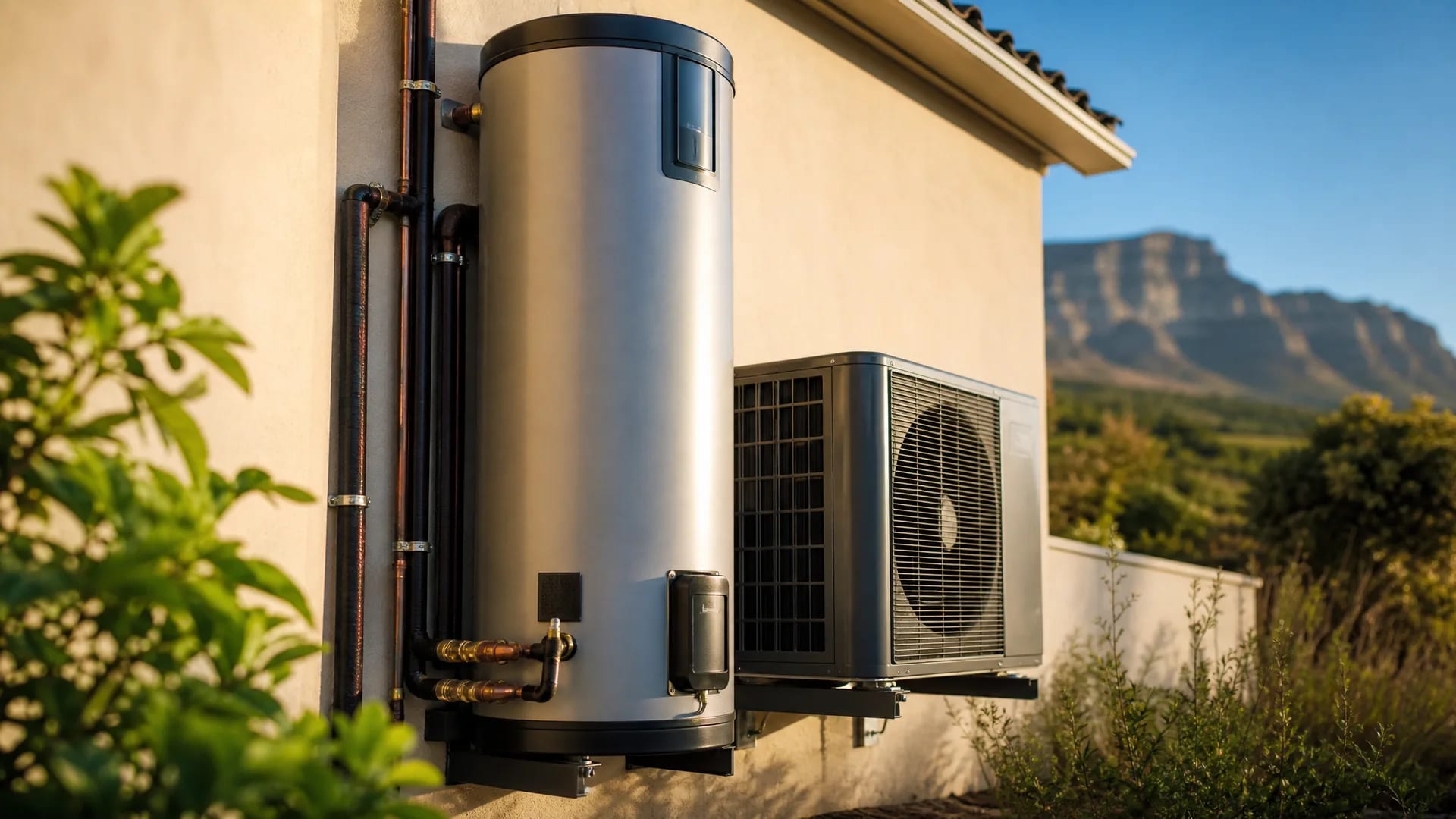
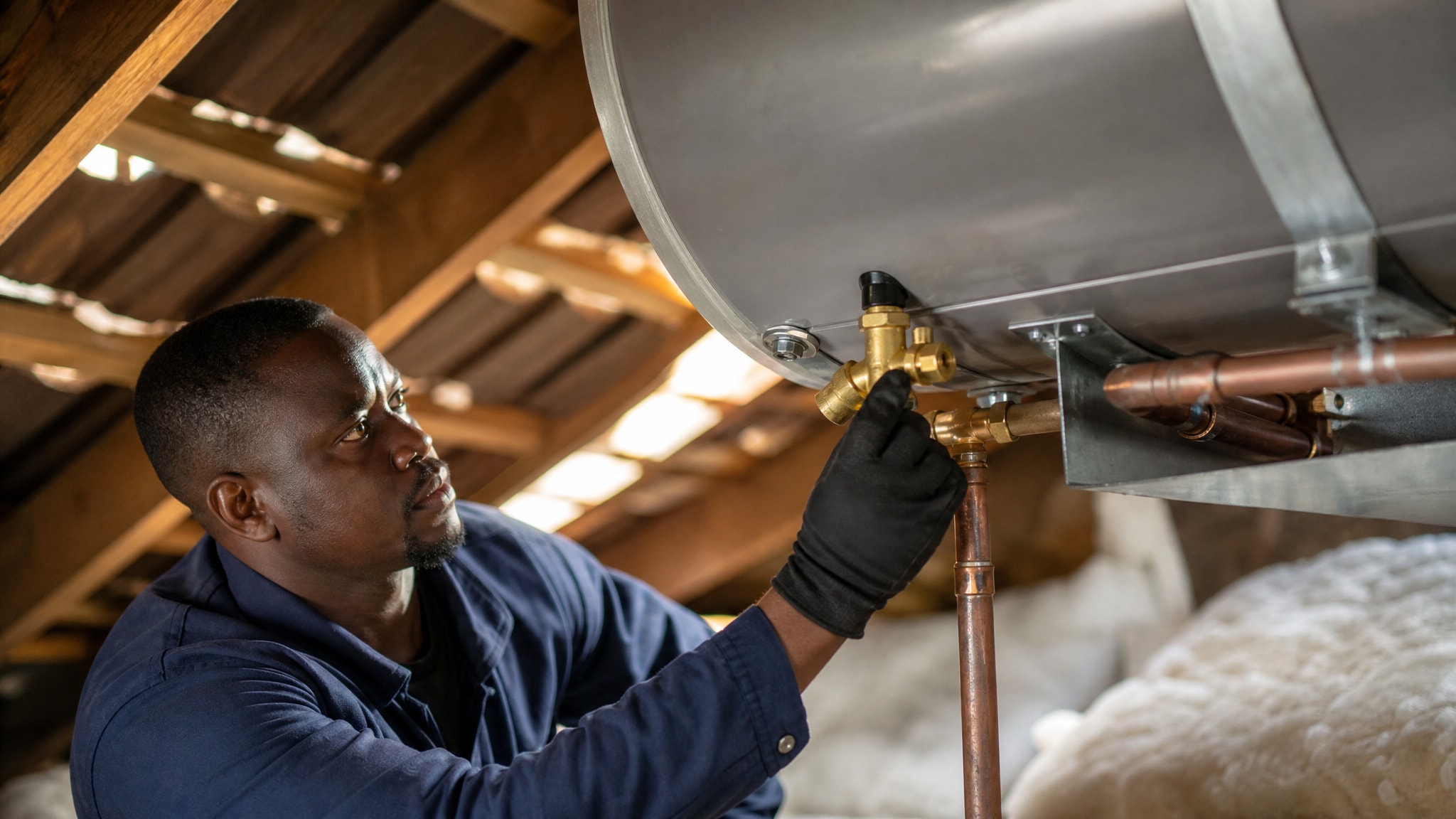
We at Plumbmax keep stock of SANS-compliant units specifically so we can offer same-day emergency geyser replacement across our service area, without waiting on supplier deliveries. South African National Standards require drip trays, vacuum breakers, and proper drainage on every installation, scheduled or emergency, and we don't skip these requirements just because the clock is against us. Cutting corners on compliance during a crisis creates liability problems that surface later, when insurance inspectors review the installation certificates.
You deserve transparent pricing even in a crisis. That's why we give you a detailed geyser replacement quote before we start work, not a surprise invoice afterward. Emergency rates reflect after-hours callouts and rapid mobilization, but the unit price and labor charges stay the same as a standard installation, because good components cost the same at noon or at midnight. Knowing that distinction helps you judge quotes fairly when you're comparing providers under pressure.
Our technicians are certified to issue Certificates of Compliance on completion, and your insurer requires this before it will process a water damage claim tied to geyser failure. The certificate confirms the new installation meets current regulatory standards, and it shifts liability from you to the licensed installer if a future problem turns out to be workmanship rather than a manufacturing fault. Never accept a handshake or a verbal assurance in place of formal certification. Insurers routinely reject claims that lack the paperwork.
Repair Versus Replacement After a Geyser Explosion
A burst tank can't be repaired. The metal fatigue behind the rupture compromises the whole vessel's pressure rating, permanently. We at Plumbmax advise against temporary patches on burst tanks, because welding or epoxy seals can't restore the original structural integrity, and manufacturers void the warranty on any unit that's been modified without authorization. Steel thins over years of thermal cycling until it fails at its weakest point, so visible damage means systemic failure, not an isolated weak spot.
Patch repairs are a false economy. They cost more in the long run than replacement does up front. A patched tank might hold pressure for weeks or months before failing again somewhere else, and now you're paying for a second emergency callout plus the water damage that comes with it. Insurance companies often deny cover for a second failure on a previously patched unit, which leaves you fully liable for a repeat incident that replacement would have prevented.
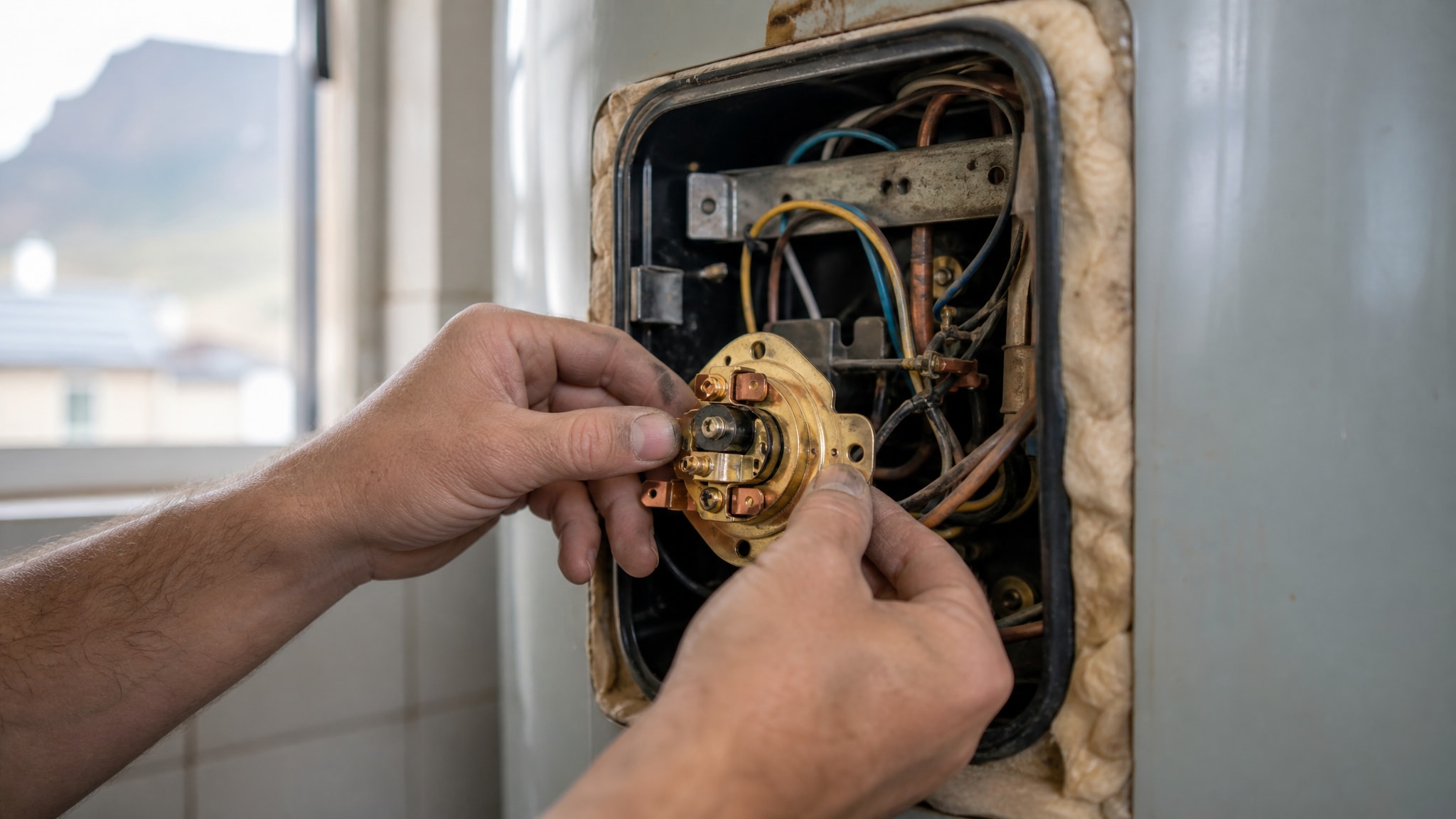
None of this applies to minor valve leaks or thermostat failures, where the tank itself is still sound and within warranty. Telling component failure (which calls for repair) apart from vessel failure (which calls for replacement) takes professional pressure testing and visual inspection, not something a homeowner can safely judge alone. When in doubt, assume replacement is necessary until a certified plumber confirms otherwise.
Preventing Future Geyser Failures
Most catastrophic failures give warning before they burst, and an attentive homeowner has time to act. Rumbling, popping, or hissing points to sediment buildup or a failing element, both of which speed up corrosion and weaken the tank walls. Preventive geyser maintenance, done early, extends the equipment's life well beyond what reactive replacement after failure gets you.
Book professional servicing every three to four years to replace sacrificial anodes, test the pressure relief valve, and flush sediment from the tank base. Anodes protect the steel lining by corroding first, but once they're used up, the tank rusts invisibly until it ruptures. Regular inspection catches that deterioration early enough for cheap anode replacement instead of an expensive emergency tank swap.
Install a SANS-compliant drip tray with proper drainage even if your current setup doesn't have one. This single component contains leaks that would otherwise flood the rooms below. Regulations mandate trays on new installations for exactly this reason: they turn a catastrophic ceiling collapse into a manageable maintenance job that limits damage to one small area. Retrofitting this during routine servicing costs far less than repairing a water-damaged ceiling, wall, and floor after an unprotected failure.
Choosing a Licensed Emergency Plumber Near You
Check that any emergency provider you contact holds valid PIRB registration and can issue Certificates of Compliance for water heating installations, before you let them start work. Unlicensed operators may quote lower rates, but they can't provide legal certification, and that leaves you exposed to insurance rejections and possible prosecution if non-compliant work turns up during a property sale or renovation. The savings from cheap labor disappear the moment you have to pay a second plumber to redo the job properly.
Confirm geographic coverage directly. Don't assume proximity means a fast response. We at Plumbmax serve Stellenbosch, Somerset West, Gordons Bay, Paarl, and Wellington specifically, because keeping enough stock and technicians across defined territories is what makes same-day emergency geyser service real rather than an optimistic estimate. Providers who cover a wider area often don't carry enough local inventory or staff to meet rapid-response promises when demand peaks.
Ask about after-hours availability and typical response times while things are calm, not mid-crisis. Find a reliable tradesperson before disaster strikes, and you skip the desperate 2 a.m. search when judgment is worst and options are fewest. Keep verified contact details with your other household emergency numbers, so family or tenants can act fast instead of hunting down credentials while the water damage gets worse.
Frequently Asked Questions
Can I patch a burst geyser temporarily until I can afford replacement?
No, patched tanks cannot safely hold pressure because metal fatigue compromises the entire vessel's structural integrity permanently. Welding or epoxy creates temporary seals that fail unpredictably, often causing secondary bursts that insurance won't cover. Full replacement is the only code-compliant and insurable solution for ruptured tanks.
How quickly can a plumber respond to a geyser burst in the Winelands?
Licensed emergency plumbers serving Stellenbosch, Somerset West, and Paarl typically aim for same-day response when contacted before midday, though exact timing depends on existing job volume and parts availability. After-hours calls may face longer waits unless the provider maintains dedicated emergency staff and local inventory. Always confirm realistic ETAs rather than accepting vague promises during initial contact.
Does home insurance cover geyser burst damage if I don't have a Certificate of Compliance?
Most insurers require valid CoC documentation for water damage claims related to geyser failures, and may reject payouts for non-compliant installations. Even if the original installation was compliant, subsequent unlicensed repairs or modifications can void coverage retroactively. Always verify your installer's PIRB registration before authorizing emergency work to preserve claim eligibility.
What warning signs indicate my geyser might burst soon?
Rumbling noises, rusty water discharge, visible corrosion around fittings, and frequent pressure relief valve activation all signal advanced deterioration requiring immediate inspection. Sediment buildup causes overheating that weakens tank walls progressively, while depleted anodes allow rust to eat through steel linings invisibly. Professional servicing every three to four years catches these issues before they become emergencies.
Comments