

Pipe Leak in Wall Repair Cape Town | We at Plumbmax
A damp patch spreading across your living room wall, or an unexplained spike in your water bill, usually points to a concealed plumbing failure. Ignore it and moisture compromises the structure and encourages mould long before water ever reaches the floor. We at Plumbmax prioritize acoustic detection over exploratory demolition because accurate localization reduces repair time and preserves expensive finishes in heritage or newly renovated properties.
Signs of a Pipe Leak in Your Wall
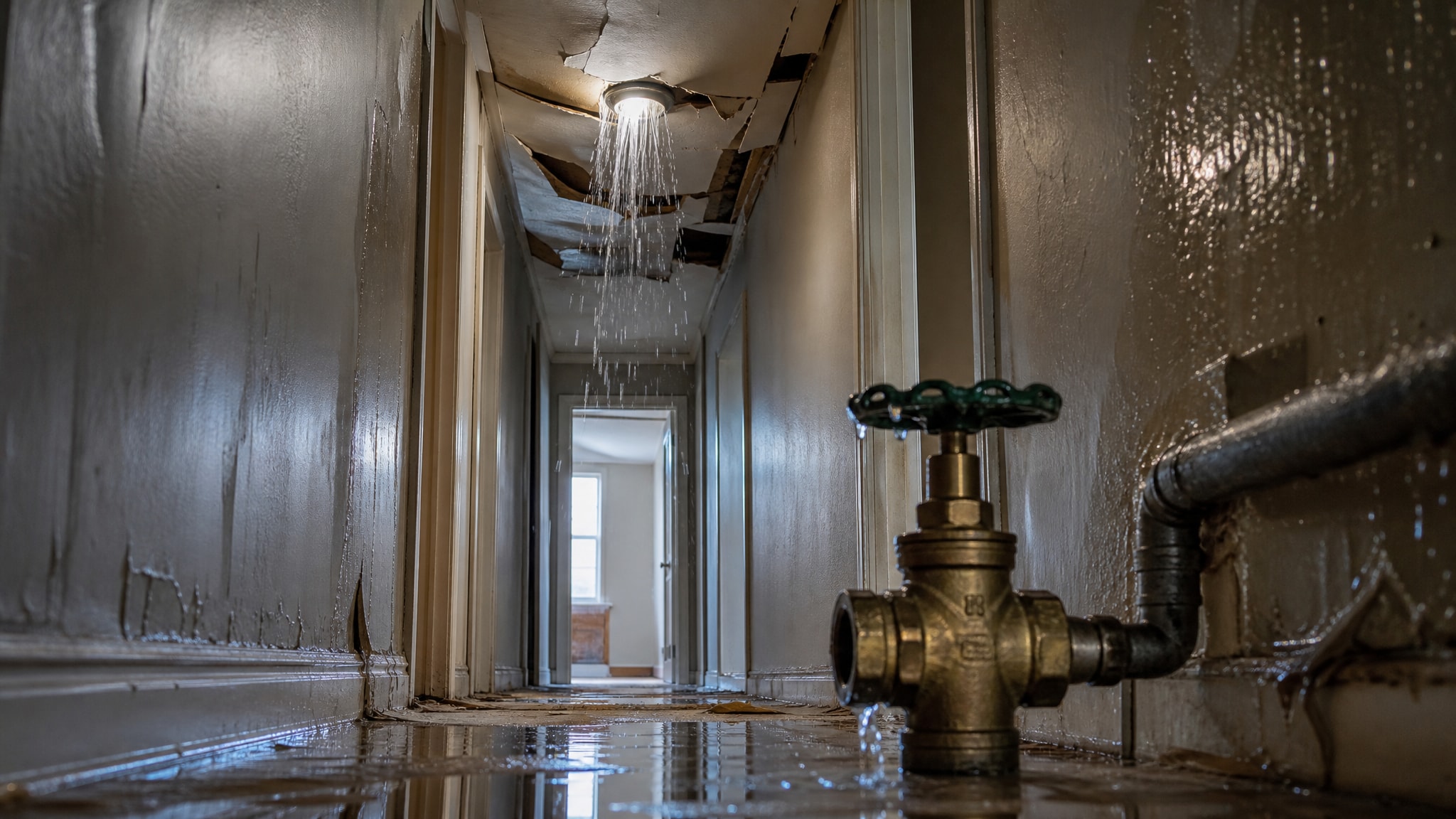
Rising damp and a pressurized pipe leak look different if you know what to check. Rising damp creeps up from ground level with a distinct tidemark. A leaking pipe behind wall plaster instead shows up as isolated wet patches higher up, or salt deposits that appear suddenly after heavy water use. Paint bubbling or wallpaper peeling in one specific spot, rather than across a whole wall, points to a point source of water under pressure rather than general humidity.
Visual Damp and Mould Indicators
Warm patches on tiled floors or walls near geysers often mean a hot water line has failed, and thermal cameras can confirm that without breaking a single tile. Salt crystallization (efflorescence) forms when water evaporates through masonry and leaves mineral deposits behind: a white crust, rough to the touch, that signals active saturation inside the cavity. Black mould in corners or behind furniture means the water source is still hidden in the wall, which is why surface cleaning never actually solves it.
Unexplained Water Bill Spikes
A single 2mm pinhole leak under standard municipal pressure can waste over 3,000 litres a month. Often it shows up only as a gradual rise in consumption, not as visible water. Check your meter with every tap and appliance off. If the flow indicator keeps moving, water is escaping somewhere in the system, even with no sound audible. Correlating meter readings with isolation tests then tells you whether the loss is in the main supply line or in a branch feeding a specific fixture, like a geyser or an outdoor tap.
Non-Invasive Wall Leak Detection Methods
Modern diagnostics trace water paths through solid brick and concrete without cutting into your walls first. That saves homeowners real restoration cost, because the intervention stays limited to the exact point of failure instead of opening up sections of wall on a guess.
Acoustic Listening Devices
Electronic amplification equipment picks up the distinct frequency of pressurized water escaping through a breach, and separates it from background noise like traffic or wind. Our technicians carry calibrated thermal imaging equipment and electronic listening devices on every leak detection call-out across Stellenbosch and Somerset West, so diagnosis happens the same day. Ground microphones placed against tiles or plaster amplify these sounds and let us triangulate the source even when pipes run deep beneath cement screed or behind double-layer drywall.
Thermal Imaging and Moisture Mapping
Infrared cameras reveal temperature differences from hot water leaks or cold water saturation that the naked eye can't see. Moisture meters add hard numbers on dampness across a wall surface, building a map of the gradient back to the origin point. Together, this visual and numerical evidence lets us pinpoint a failure in concealed pipework before any cutting begins.
Repairing Concealed Pipes Without Major Demolition
Fixing a hidden leak doesn't always mean destroying your bathroom tiles or replastering a hallway. It depends on the failure mode and the pipe material. Whether we go with direct access or full rerouting comes down to structural constraints, how much of the finish needs preserving, and whether the existing pipework is worth saving at all.
Targeted Access and Minimal Chasing
Cutting a small access panel directly over a confirmed leak allows for a surgical repair while the surrounding finish stays intact. In older Cape Town homes, though, copper pipes embedded in cement screed often develop pinhole leaks from a chemical reaction with the alkaline environment, and that calls for rerouting rather than a patch. When direct repair is viable, we use couplings built for confined spaces and pressure-test the joint thoroughly before closing the wall, so the fix holds.
Rerouting vs. Direct Patch Repair
Rerouting pipework through ceilings or skirtings bypasses a compromised section entirely, without excavating floors or walls. It costs more upfront in materials and labour, but it stops recurring failures in an aging system where other weak points likely exist beyond the leak you can see. We look at each situation on its own: the age of the installation weighed against the cost of restoration, aiming for the option with real long-term value rather than the cheapest fix today.
Cost Factors for Wall Leak Repairs in Cape Town
Pricing for concealed leak repair varies with accessibility, pipe material, and how much of the finish needs restoring once the plumbing work is done. A detection call-out fee typically covers the diagnostic visit, equipment use, and a report identifying the leak location and recommended repair method. The remedial work itself is quoted separately, once the problem is fully understood. Heritage buildings or premium finishes cost more, because the access and reinstatement need more care; straightforward repairs in accessible service cavities stay relatively affordable.
Home insurance often covers leak detection and the wall repairs that follow, when the damage is sudden and unforeseen, though terms vary between providers. Check your own policy wording on gradual versus sudden damage before assuming full reimbursement. Insurers tend to draw a hard line between maintenance-related failures and accidental ones.
Preventing Future Leaks Behind Walls
Proactive maintenance deals with the root causes of concealed pipe failure before they turn into an emergency needing extensive demolition. Regular inspection catches degradation early and protects both the structure and your water bill.
Geyser and Valve Maintenance
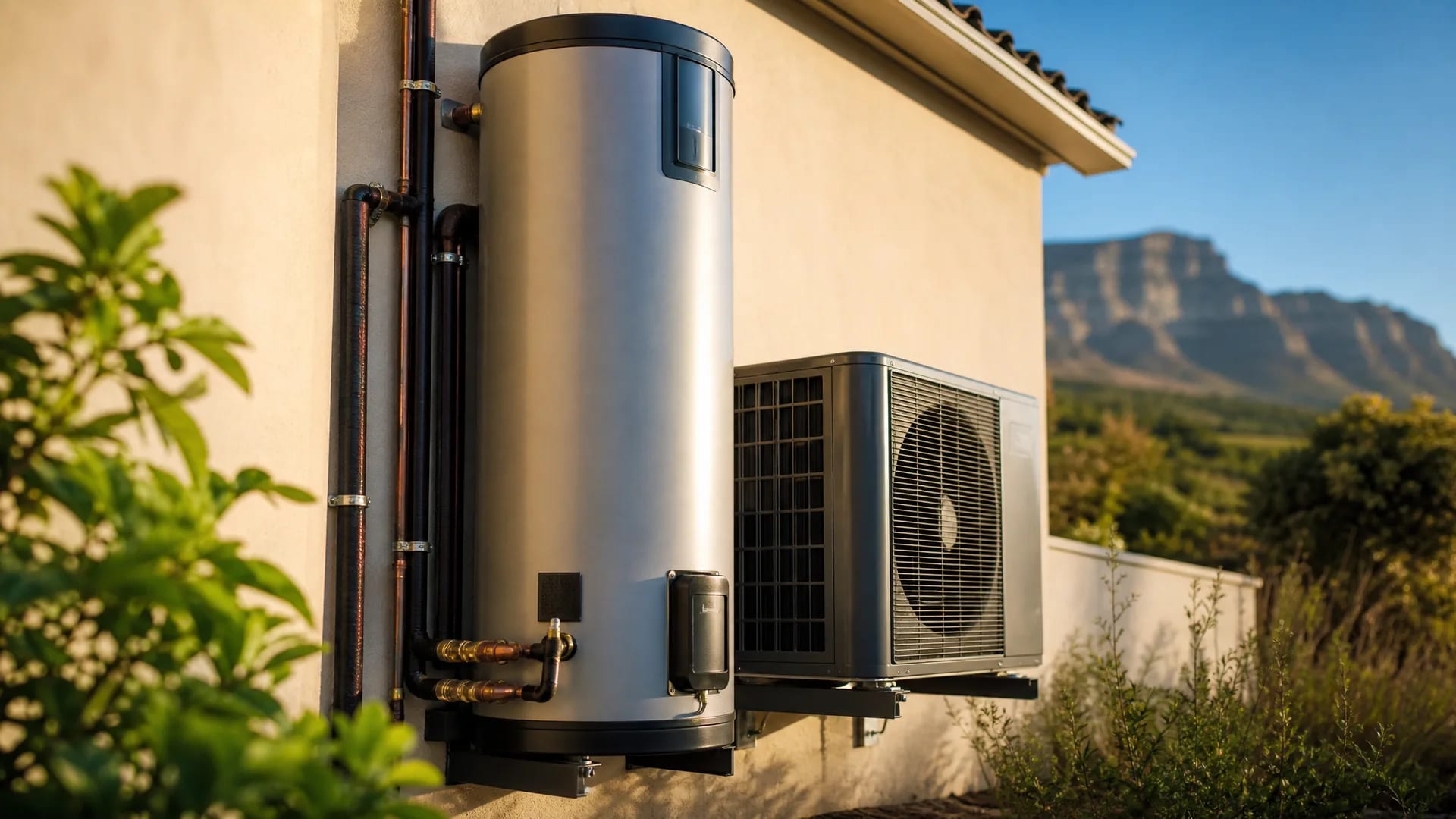
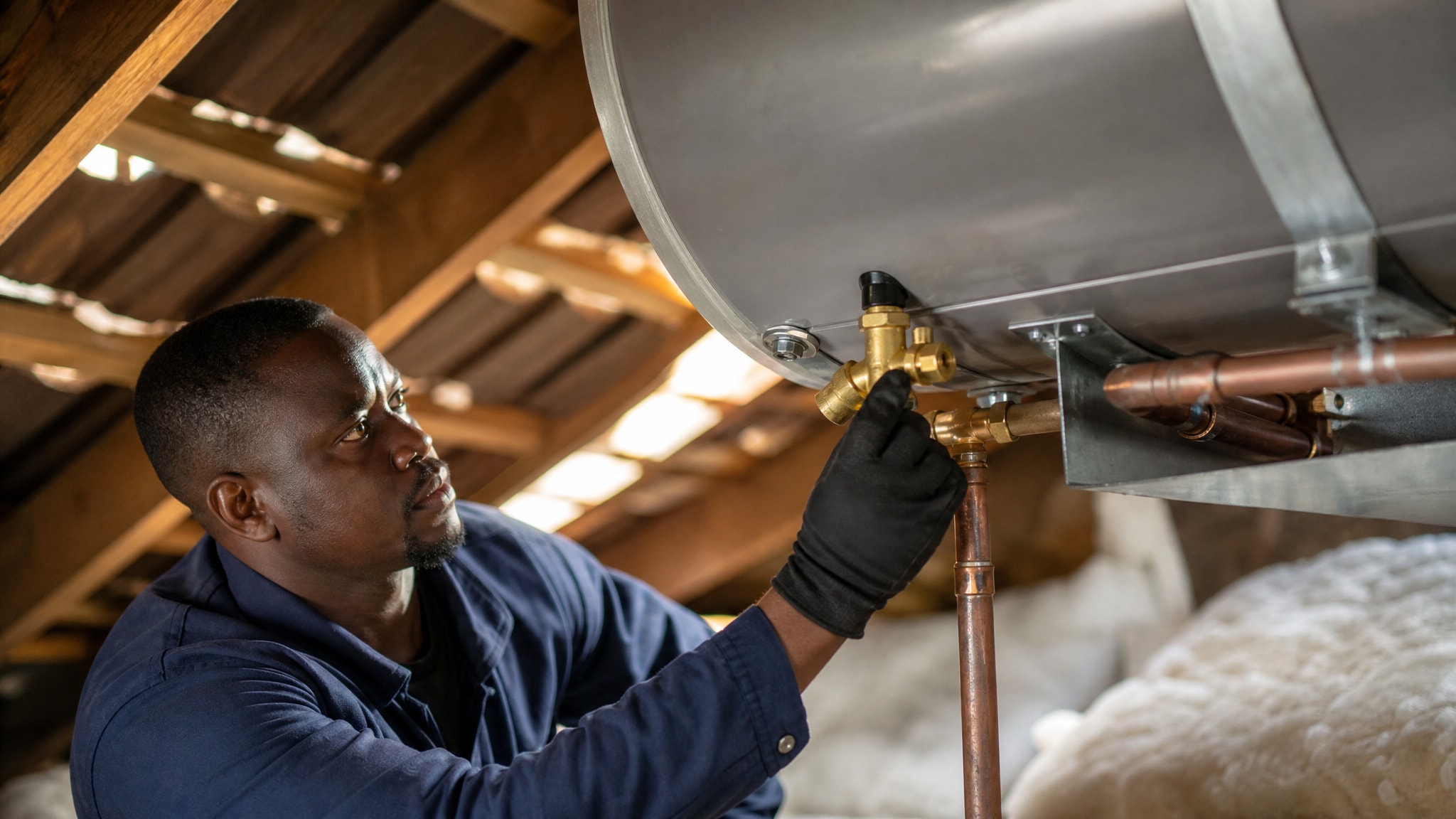
A faulty vacuum breaker creates back-pressure that stresses concealed joints and speeds up corrosion in copper pipework, which is why vacuum breaker installation matters for system longevity. Flexible connectors and isolation valves degrade over time from thermal cycling and mineral buildup, so an annual check of these components heads off a catastrophic failure behind a wall or in a ceiling space. Catching the warning signs of geyser failure early also prevents an overflow that saturates walls from above.
Pressure Regulation Checks
Excessive municipal water pressure, common in Cape Town suburbs, puts constant stress on pipe joints and fittings and shortens their working life. Installing or adjusting a pressure reducing valve keeps your internal plumbing within safe design limits and cuts the odds of a pinhole leak developing somewhere concealed. High pressure also pushes more water through any existing breach, so an undetected leak does more damage, faster, than it would under regulated conditions.
When to Call a Professional Plumber
Surface sealing or DIY drying fails when water comes from a pressurized source inside the wall: moisture just finds a new path through the masonry until someone fixes the actual failure. Trying to manage this yourself risks worsening the hidden saturation and creating a mould hazard that needs professional remediation on top of the plumbing repair. We at Plumbmax provide certified detection and repair services compliant with insurance requirements across Stellenbosch and the surrounding area, with documentation that meets claim standards. If you suspect a concealed leak but can't locate it, calling a local emergency plumber right away stops a minor issue turning into a structural one. Booking a professional assessment through our plumbing services gets you a rapid diagnosis before the damage spreads further.
Our Service Areas for Emergency Leak Repair
We serve homeowners and property managers throughout the Stellenbosch municipality and the surrounding region who need reliable wall leak detection and repair. Our primary service zones are Somerset West, Gordons Bay, Paarl, and Wellington, covering the residential areas where aging infrastructure and variable municipal pressure keep producing concealed leak problems. Being local means a faster response for urgent jobs, where every hour of undetected leakage adds to the restoration cost.
Comments