

Geyser Making Noise? Warning Signs Before It Bursts
A geyser rarely fails without warning. Most homeowners hear something first, a tick, a bang, a hiss, days or weeks before the tank actually bursts. Learning to read geyser noise before it bursts can save you a flooded ceiling and an emergency callout bill. Here's what the different sounds mean, and when to pick up the phone.
Why Is My Geyser Noisy? Common Causes Explained
Most geyser noise comes down to a handful of mechanical issues. Once you know what's causing the sound, it's much easier to judge how urgent the problem is.
Thermal expansion is one cause. Metal components heat up and cool down, and they expand and contract as they do. That can produce a faint ticking sound. It's usually normal. The more concerning causes involve sediment, water pressure, and worn-out parts inside the tank.
Sediment Buildup and Hard Water in Cape Town
Over time, minerals in your water settle at the bottom of the tank and form a layer of sediment. When the heating element tries to warm the water, it has to heat through this layer first. Pockets of water get trapped underneath the sediment, boil, and force their way out as steam bubbles. That's what produces the rumbling or popping sound many homeowners describe.
Geyser sediment buildup is one of the most common reasons we get called out. It doesn't happen overnight. But once it starts, the noise tends to get worse month by month.
Pressure Issues and Faulty Elements
A faulty pressure relief valve can cause hissing or whistling sounds, especially if pressure inside the tank is building up beyond what the valve is releasing. Worn heating elements can also cause popping or crackling as scale builds up around them and interferes with even heating.
Any of these issues on their own might be minor. Together, or left unaddressed, they point to a tank under strain.
Normal Operating Sounds vs Warning Signs
Not every sound from your geyser means trouble. A geyser heating up from cold will often make soft ticking or light knocking sounds as the metal expands. That's normal and nothing to worry about.
What isn't normal is loud banging, rumbling that persists through a full heating cycle, or hissing that doesn't stop once the tank reaches temperature. These sounds tend to mean something inside the tank is working harder than it should.
Geyser Popping Sound: What It Means
A geyser popping sound is almost always linked to sediment. Trapped water boils under a layer of scale and minerals, and it releases small bursts of steam that sound like popping or cracking. A geyser that suddenly starts banging like knocking pipes is often boiling trapped water under a layer of sediment at the bottom of the tank. That's not a minor quirk to ignore. The more sediment builds up, the louder and more frequent the popping tends to get.
Geyser Hissing Noise: What It Means
A geyser hissing noise usually points to pressure escaping somewhere it shouldn't. This could be a faulty pressure relief valve, a small leak, or steam finding its way out through a weak seal. Is a hissing noise from a geyser dangerous? It can be, particularly if it's paired with visible moisture, a smell of gas near a gas geyser, or a valve that keeps dripping. Hissing on its own isn't always an emergency. But it's not something to leave for months either.
Geyser Rumbling Sound and Sediment Buildup: The Cape Town Water Problem
Why do geysers get noisier over time in Cape Town's hard water areas? Hard water common in parts of the Western Cape speeds up scale and sediment buildup inside geysers. That's why noisy tanks tend to show up sooner in these areas than in regions with softer water. The minerals that make water "hard" settle inside the tank faster, layer by layer. That reduces the geyser's efficiency and shortens its working life.
We at Plumbmax regularly get called out to geysers in Stellenbosch and surrounding areas where sediment buildup has been rumbling away for months before the tank finally fails. Homes across Somerset West, Gordons Bay, Paarl, and Wellington deal with the same water conditions, so the pattern repeats across the region. A geyser rumbling sound in one of these areas is rarely a coincidence. It's usually the water supply doing its slow work on the tank.
Signs Your Geyser Is About to Burst
What are the warning signs a geyser is about to burst? A few red flags tend to show up together in the weeks before a full failure:
Loud, persistent banging or rumbling, not just occasional ticking
Rusty or discoloured water coming from hot taps
Damp patches, drips, or pooling water around the geyser or ceiling below it
A pressure relief valve that drips constantly or won't stop hissing
Rising electricity bills without any change in usage, which can mean the element is working harder than it should
If you're seeing more than one of these alongside the noise, treat it as urgent. A geyser that's already leaking or rusting is close to the end of its working life. Waiting can mean a burst tank instead of a scheduled repair.
When Noisy Means Repair vs Full Replacement
How do I know if my geyser needs servicing or full replacement? It usually comes down to the age of the geyser and how far the damage has progressed. A younger geyser with mild sediment noise and no leaks can often be flushed, descaled, and have its element checked. That resolves the noise and extends its life.
An older geyser with rust, visible corrosion, or a tank that's already showing signs of a leak is a different story. At that point, a repair is only a short-term fix. Homeowners are usually better off looking at emergency geyser repair in Cape Town or, if the tank is at the end of its life, comparing the cost of replacing a geyser in Cape Town against ongoing repair costs.
Simple Checks You Can Do Before Calling a Plumber
Can I check a noisy geyser myself before calling a plumber? Yes, up to a point. A few basic checks can help you describe the problem clearly and decide how urgent it is:
Listen closely to where the noise is coming from, the top, middle, or bottom of the tank
Check the floor and walls around the geyser for damp patches, drips, or rust stains
Look at the pressure relief valve for constant dripping or visible corrosion
Note whether the noise happens only during heating, or continues afterward too
Check whether your electricity bill has crept up recently alongside the noise
What you shouldn't do is open up the geyser's electrical connections, tamper with a gas line, or attempt to drain or flush the tank yourself if you're not confident doing so safely. Geysers involve electricity, pressure, and sometimes gas, all in one unit. That combination is exactly why this kind of work is best left to a qualified plumber.
Why Acting Early Saves Money: Plumbmax Geyser Inspection and Maintenance
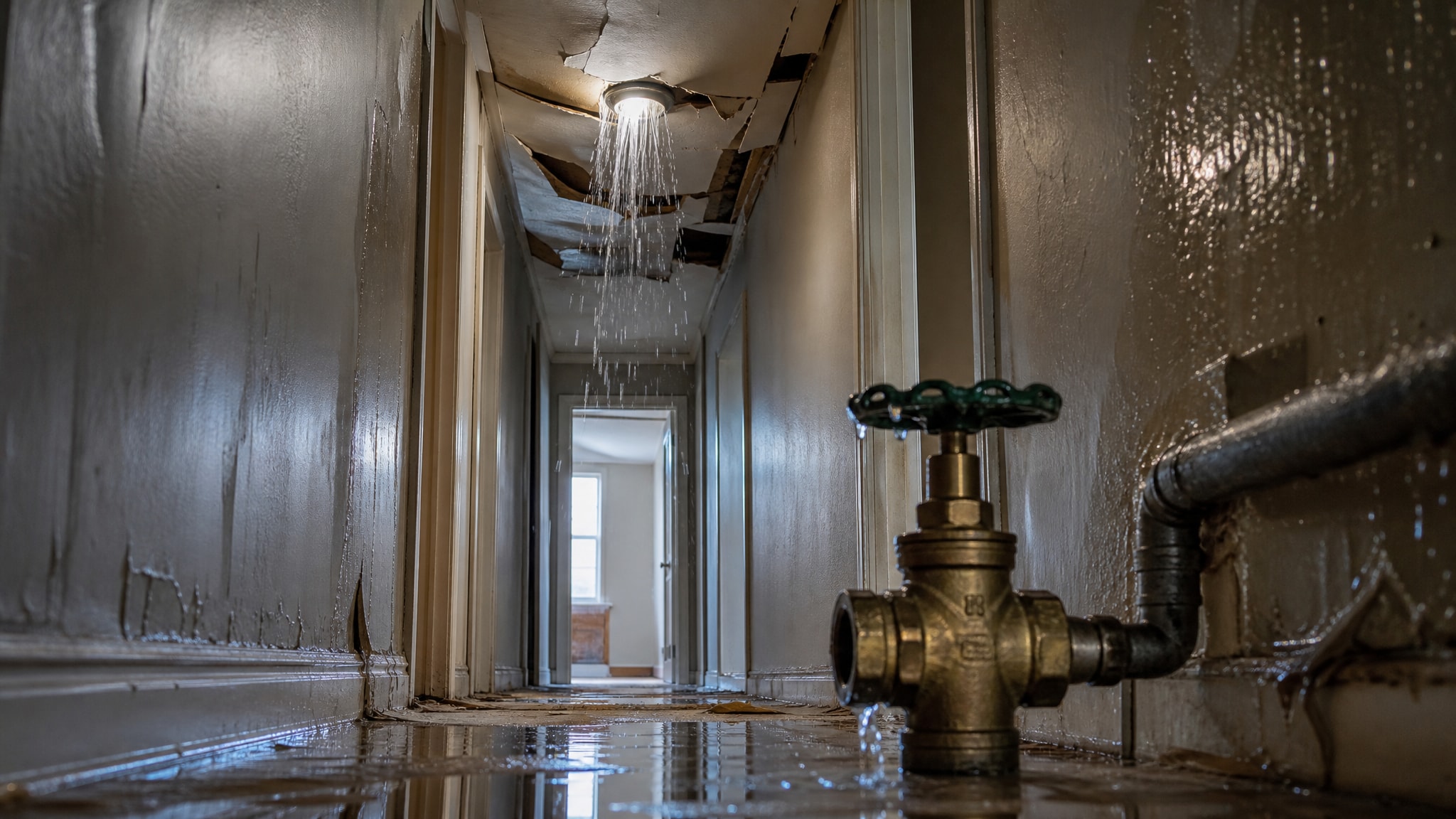
A scheduled geyser inspection costs far less than an emergency callout after a burst tank. An inspection deals with sediment, a worn element, or a faulty valve before any of them cause real damage. A burst geyser, on the other hand, usually means water damage to ceilings, walls, and flooring, on top of the cost of a full replacement.
How often should a geyser be inspected to prevent bursting? Many manufacturers recommend having a geyser inspected roughly once a year. Small issues like sediment buildup or a failing element are far cheaper to fix than a full tank replacement after a burst. In hard water areas, an annual check matters even more, since sediment builds up faster here than in areas with softer water.
Geyser Maintenance and Inspection Across Stellenbosch, Somerset West, Gordons Bay, Paarl and Wellington
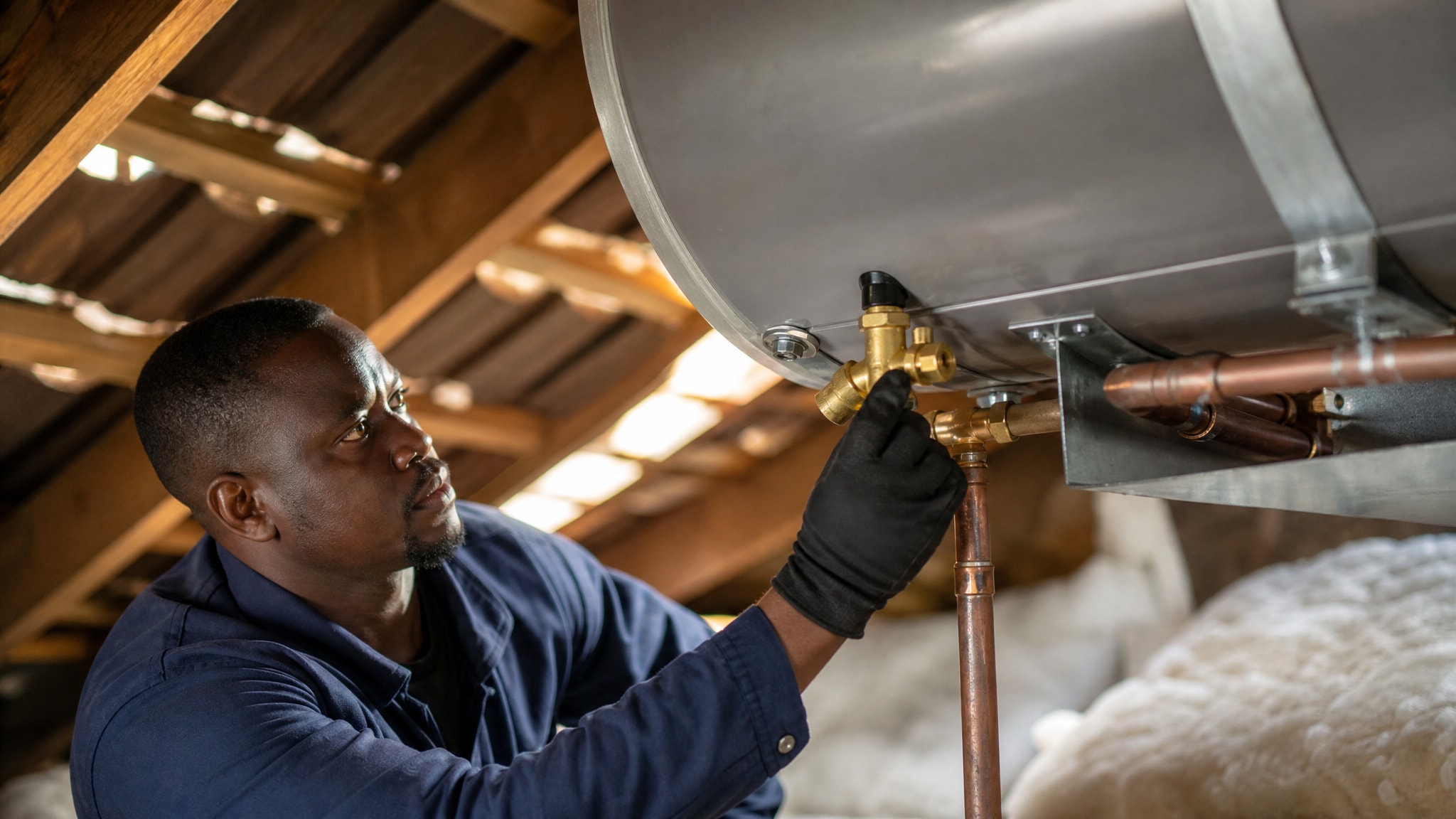
Plumbmax carries out geyser inspections and services across Stellenbosch, Somerset West, Gordons Bay, Paarl and Wellington, including Certificate of Compliance checks for electric and solar systems. If your geyser has started banging, popping, hissing, or rumbling, that's the tank telling you something before it fails outright.
Catching it early is the difference between a straightforward service call and a flooded ceiling. If you're hearing strange noise from your geyser and aren't sure whether it needs attention now, it's worth getting it checked before it decides for you. You can book a geyser inspection with Plumbmax and have a technician look at it before a small problem turns into a burst tank.
Comments