

Geyser Thermostat Replacement in Cape Town | Plumbmax
A geyser thermostat replacement in Cape Town is often the fix you need when hot water behaves erratically or stops heating entirely. This small electrical component regulates the heating element. When it fails, you get anything from lukewarm showers to dangerous overheating. We at Plumbmax handle these replacements regularly across Stellenbosch, Somerset West, Gordons Bay, Paarl, and Wellington, and we aim to get your hot water restored safely and correctly.
Signs Your Geyser Thermostat Is Not Working
You'll usually notice a temperature problem before you see any damage to the unit itself. The most common symptom is water that swings between scalding and cold during a single shower. That points to thermostat contacts that are burnt or sticking intermittently. Alternatively, the water may stay too hot no matter how you adjust it, or it may fail to heat at all if the probe has snapped internally.
These temperature problems are different from other plumbing failures because they come from electrical regulation, not water flow or tank integrity. A geyser thermostat that isn't working often shows up as a complete lack of hot water even when the circuit breaker hasn't tripped. That suggests the component is no longer closing the circuit to power the element. You might also hear the geyser clicking as the faulty mechanism struggles to engage.
Ignore these early signs and you'll usually pay for it later. If the thermostat sticks in the "on" position, the element keeps heating until the safety valve blows or the tank ruptures from the pressure. A stuck "off" position leaves you without hot water and risks bacterial growth in stagnant warm water.
Safety Risks of a Faulty Geyser Thermostat
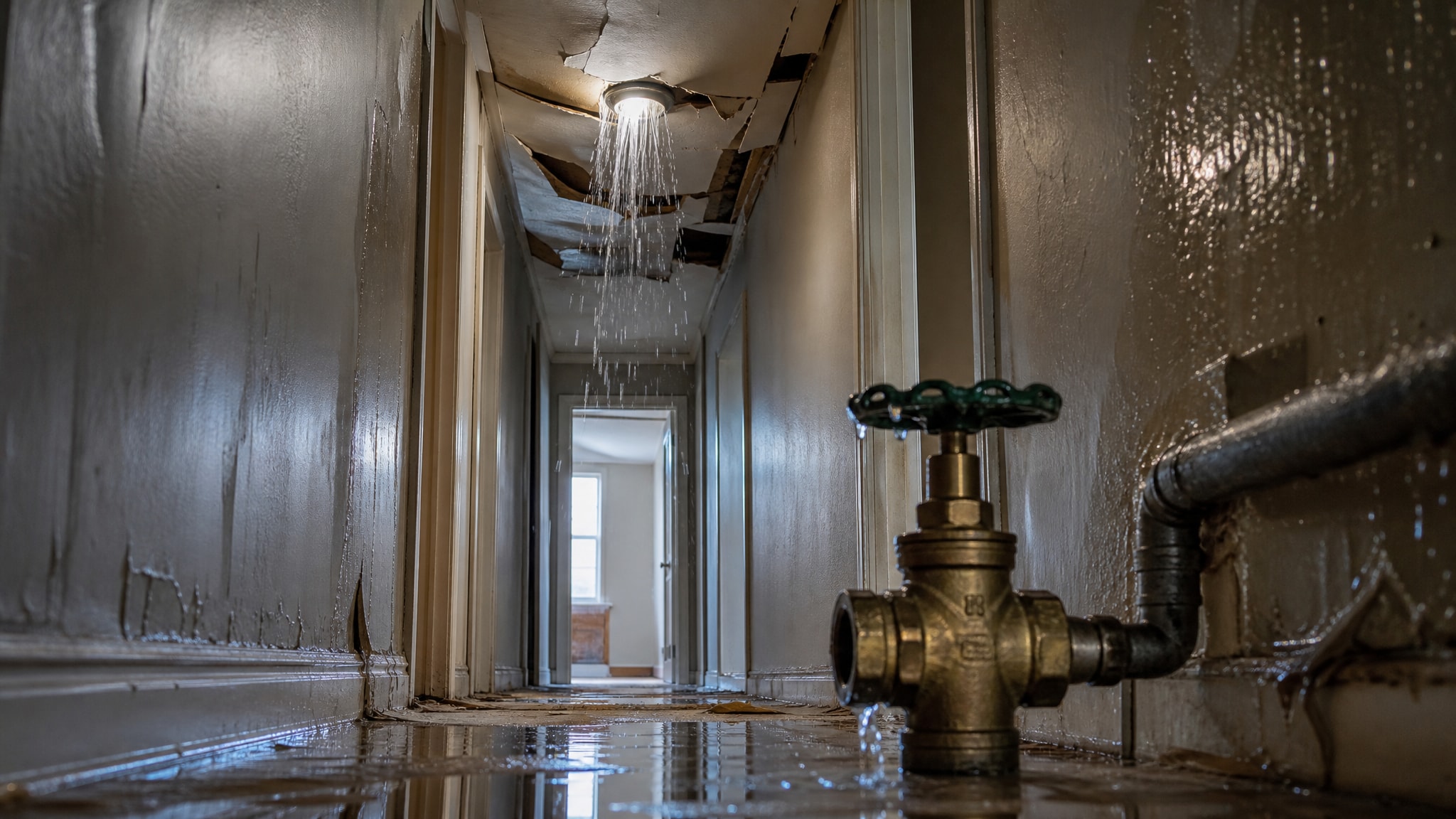
A malfunctioning thermostat isn't just an inconvenience. It's a genuine safety hazard that needs immediate attention. When the regulator fails, water temperature can climb past safe limits fast, building pressure that threatens the tank itself. We at Plumbmax treat these calls as urgent, because the risk is catastrophic property damage and severe scalding.
Running a geyser with a broken thermostat removes the main safety layer that keeps water below boiling point. In hard water areas around parts of Cape Town, temperatures above 60°C speed up limescale buildup on the element and inside the tank. That cuts efficiency and raises the odds of valve failure. The system then works harder for worse results, and the scaling gets worse as a result.
This repair won't fix issues unrelated to electrical temperature control, such as active leaks from the tank body or blocked drain lines. It resolves the regulation fault specifically, to restore safe operating conditions and stop the unit from turning into a pressurized hazard in your ceiling or cupboard space.
Replacing the Geyser Element and Thermostat Together
Standard practice is to replace both components at the same time, since they wear out at similar rates from identical thermal cycling. Install a new thermostat alongside an old, scaled element and you invite early failure of the new part. The degraded element draws current unevenly and stresses the fresh contacts as soon as the system is switched back on.
Why Matched Sets Matter
Replacing the element and thermostat as a matched set keeps the electrical resistance aligned with the new regulator's specifications. An old element often carries hidden corrosion or scale that changes its resistance profile, which makes the new thermostat cycle incorrectly or burn out faster than it should. This approach removes the most common cause of repeat call-outs within months of a repair.
Preventing Future Failures
You save money over time by handling both wear items in a single visit instead of paying for two separate call-outs. The labour to drain, open, and refill the geyser costs the same whether one or two parts get swapped, so it makes financial sense to get the most out of that labour. Fresh components working together also restore the system's original energy efficiency, which lowers your monthly electricity bill compared to a struggling mismatched setup.
Professional Thermostat Replacement Process
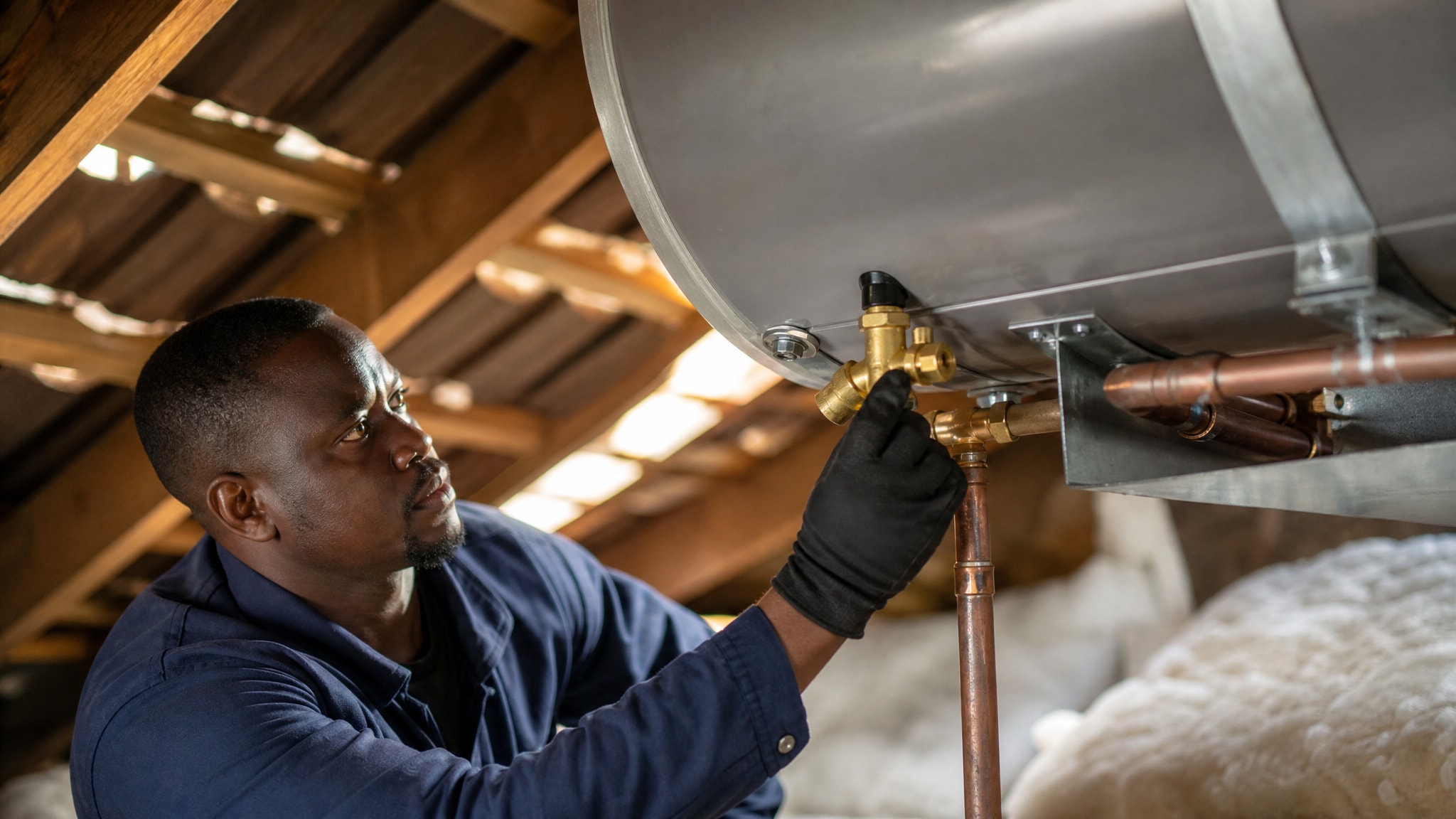
We never assume the thermostat is at fault without testing it first. Misdiagnosis is expensive and frustrating, so we use multimeters to check continuity across the thermostat, element, and wiring independently, before we drain a single drop of water. This confirms whether a geyser thermostat replacement in Cape Town is actually needed, or whether the fault sits elsewhere in the circuit.
Testing Before Replacement
Our technicians isolate the power supply completely and test each component's resistance against manufacturer specifications to find the exact failure point. We at Plumbmax diagnose thermostat faults with electrical testing equipment, so we can tell element, thermostat, and wiring issues apart before we start work. That way you only pay for repairs you actually need. This step also catches secondary problems, like corroded terminals or damaged insulation, that could affect the new installation.
SANS-Compliant Installation
Safe isolation, draining, and re-commissioning follow strict protocols tied to local safety standards, which protects both your home and your insurance cover. Thermostats regulate water temperature within a specific range to balance energy use against bacterial safety, so precise calibration matters during replacement. After installation, we refill the tank slowly to prevent airlocks, restore power only once water flows freely from the hot taps, and check that the temperature holds steady before we sign off.
Book regular geyser maintenance after this repair. It extends the life of your new components and catches minor wear, on sacrificial anodes and valves, before it turns into a bigger problem for your thermostat and element.
Geyser Thermostat Cost Factors in Cape Town
Pricing for this repair depends on several real factors, not a flat rate that applies to every job. Where your geyser sits matters most for labour time: units buried deep in roof spaces or mounted high on exterior walls need more setup time and safety equipment than an easily accessible garage installation. Whether the element also needs replacing shifts the final price, and so does the brand and amperage rating your system requires.
Generic online estimates can't account for these site-specific details or the current state of your electrical connections. Ask for a specific assessment rather than relying on ballpark figures, which often leave out ancillary work like terminal block replacement or wiring upgrades needed to bring an older installation up to code. We give you a transparent quote after inspection, so you know exactly what the repair involves and why.
If you're weighing repair against a full system swap, get a replacement quote to compare long-term value properly. The cost gap between repairing an aging unit and installing a modern, efficient system is sometimes smaller than you'd expect once you factor in warranty cover and energy savings.
When to Repair Versus Replace the Entire Geyser
The age and condition of the tank should drive your decision more than the repair cost on its own. If your geyser is near or past its typical ten-year lifespan, a new thermostat and element may only delay a tank failure by a few months. Rust stains around the drip tray, visible corrosion on pipe fittings, or a history of repeated repairs all point to a vessel nearing the end of its life.
Repeated repairs on an aging tank rarely make financial sense next to a full replacement with a new warranty. Modern geysers have better insulation and safety features than older models, so a replacement often pays for itself through less heat loss and lower risk of catastrophic failure. You also avoid the stress of emergency breakdowns and possible water damage claims by upgrading before the tank gives way.
If the geyser is relatively new, though, and shows no sign of tank wear, a targeted thermostat replacement restores full function at a fraction of replacement cost. Our assessment includes a check of the tank's remaining life, so you can decide based on facts rather than guesswork.
Booking a Geyser Repair in Stellenbosch and Surrounds
We serve homeowners and property managers across Stellenbosch, Somerset West, Gordons Bay, Paarl, and Wellington with prompt, professional water heating repairs. Contact us directly and you get a fast assessment and scheduling of your thermostat replacement, with no generic call centres or automated booking systems to deal with. Our team knows the water quality challenges and installation quirks common to properties in this region.
Whether you need urgent attention for an overheating unit or planned maintenance to restore consistent hot water, we bring the right tools and parts to get the job done on the first visit. Reach out today to tell us what you're seeing, and we'll arrange a site visit from a technician who specializes in local water heating systems.
Frequently Asked Questions
How much does it cost to replace a geyser in South Africa?
Full geyser replacement costs vary widely depending on tank size, type (instant vs storage), and installation complexity. Prices typically include the new unit, labour, disposal of the old geyser, and any necessary plumbing or electrical upgrades to meet current regulations. Request a site-specific quote for an accurate figure relevant to your property.
How to replace thermostat on geyser?
Replacing a geyser thermostat requires isolating power, draining the tank, removing the old component, and installing a calibrated replacement according to SANS standards. This involves electrical testing and pressure verification that should only be performed by qualified professionals to avoid safety hazards and voided warranties. DIY attempts risk electrocution, flooding, and non-compliance with insurance requirements.
How do I know if my geyser thermostat is bad?
Common indicators include water that is excessively hot, consistently cold, or fluctuating unpredictably during use. You may also notice the circuit breaker tripping repeatedly or hear unusual clicking from the geyser as faulty contacts struggle to engage. Professional electrical testing confirms whether the thermostat or another component is responsible.
Can a geyser work without a thermostat?
No, operating a geyser without a functional thermostat is extremely dangerous and violates safety regulations. Without temperature regulation, the heating element would run continuously until the water boils, creating explosive pressure levels that can burst the tank. The thermostat is a mandatory safety device, not an optional accessory.
Comments