

Certificate of Compliance Plumbing Cape Town Guide
Selling a property in the Western Cape involves a lot of paperwork, but few documents carry as much legal weight as the plumbing compliance certificate. This isn't a voluntary safety check or a general maintenance report. It's a mandatory municipal requirement that validates your entire water installation against current by-laws before ownership can change hands. We at Plumbmax issue these certificates for homeowners and landlords across Stellenbosch, Somerset West, Paarl, Gordons Bay, and Wellington who need accurate technical assessments without transfer delays.
A valid certificate of compliance for plumbing that Cape Town authorities will accept has to cover every part of the water system, from the meter to the final outlet, with no cross-contamination risks left in the private installation. Many property owners assume a geyser inspection alone satisfies this obligation. It doesn't. The municipal mandate extends well beyond water heating to drainage, backflow prevention, and private isolation valves. Knowing the full scope of the assessment up front means no last-minute surprises when conveyancers ask for documentation to finalize a sale, or when insurers look into a water damage claim.
What Is a Plumbing Certificate of Compliance in Cape Town?
The City of Cape Town mandates that a Certificate of Compliance of the water installation must be submitted before any property can be transferred to a new owner. That makes the document a non-negotiable prerequisite for registration at the Deeds Office. It's legal proof that the water installation doesn't contravene municipal by-laws and poses no risk to the public water supply through contamination or wastage.
Legal Requirement for Property Transfers
Conveyancing attorneys can't lodge transfer papers without this certificate in hand. So any defect found during inspection directly affects your timeline for selling. The responsibility falls entirely on the seller to provide valid certification, and buyer and seller can't waive that obligation by mutual agreement in the offer to purchase. You remain liable for the installation until the property officially changes hands, whether or not you've occupied the premises recently.
Difference Between Water Installation and Geyser CoCs
Confusion often arises because insurance companies ask for separate geyser compliance documentation that only covers water heating safety standards. A full plumbing compliance certificate includes the geyser, but it also checks that all cold water feeds, drainage systems, and external taps meet current standards for potable water protection. Rely on a geyser-only inspection, and you leave real gaps in your compliance status, gaps that can mean a rejected transfer application or a disputed insurance claim when broader system failures turn up.
When Do You Need a Plumbing Compliance Certificate?
This certificate is legally required whenever immovable property changes ownership within the City of Cape Town, sectional title units and freehold homes alike. Beyond sales, certain insurance policies now require valid certification before processing water-related claims or renewing cover for rental properties, where tenant turnover creates ongoing liability exposure.
Property Sales and Transfer Obligations
Secure this documentation early in the sales process. Remedial work found during inspection can take days or weeks to finish, depending on parts availability and contractor scheduling. Wait until the final weeks before your anticipated transfer date, and you're under unnecessary pressure, sometimes forced into price reductions if buyers treat compliance risk as leverage. A qualified, registered plumber must issue the certificate of compliance every time a property is transferred. That keeps accountability for water installation safety current instead of relying on documentation left over from a previous owner.
Insurance Claims and Policy Validity
Insurers increasingly scrutinize plumbing compliance when assessing water damage claims, particularly in older properties where pipe degradation or unapproved modifications raise the risk profile. Policy wording varies between providers, but lacking valid certification can complicate a claim settlement or trigger exclusions for gradual damage tied to a non-compliant installation. Landlords managing rental portfolios should keep certificates current proactively rather than reactively. Continuous compliance shows due diligence and helps keep premiums stable across multiple units.
What Inspectors Check During a CoC Inspection
We at Plumbmax run comprehensive inspections covering water meters, isolating valves, geyser compliance, and backflow prevention, checked against Cape Town's water by-laws. This follows prescribed municipal checkpoints designed to protect individual property owners and the broader public water infrastructure from contamination or unauthorized consumption.
Water Meter and Private Isolating Valve Checks
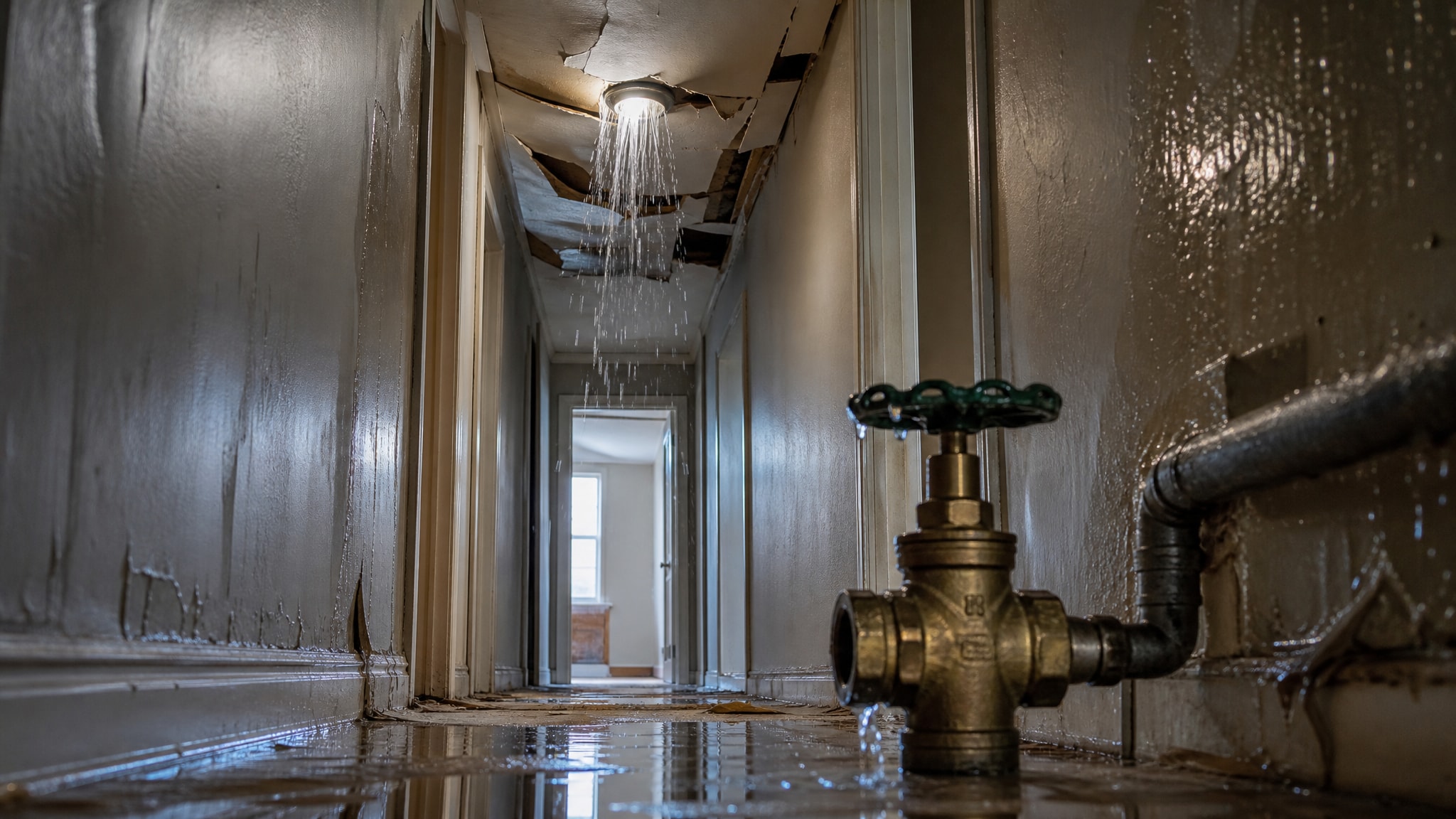
The inspection starts at the boundary where municipal supply enters private property, confirming the water meter works correctly and hasn't been tampered with or bypassed. Your private isolating valve needs to operate smoothly, so you can shut off supply in an emergency without affecting neighbours, and it has to sit somewhere accessible and clearly marked for maintenance. Missing or seized isolation valves are immediate failure points: they block safe maintenance work and raise flood risk during a burst pipe.
Geyser Installation and SANS Compliance
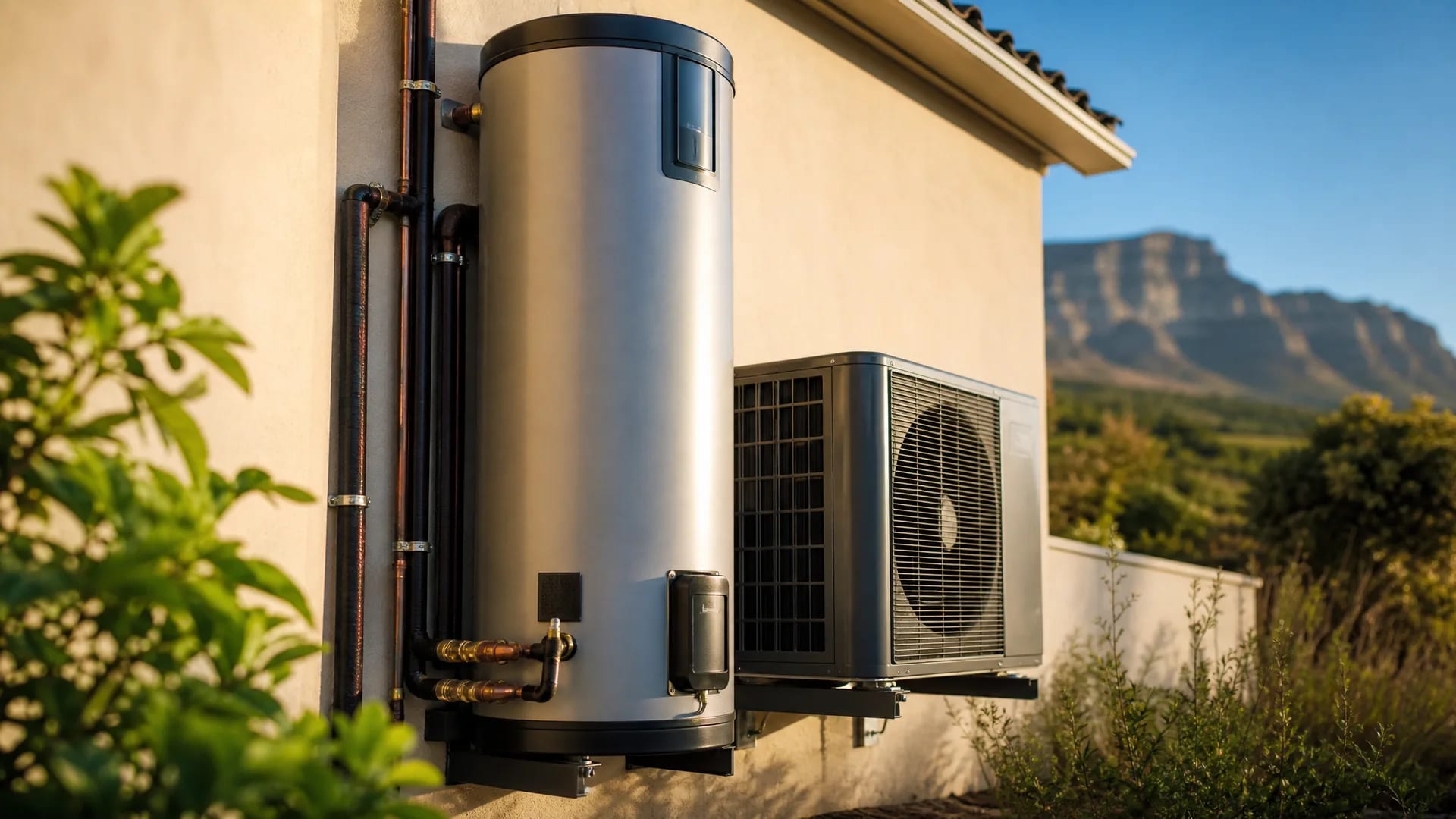
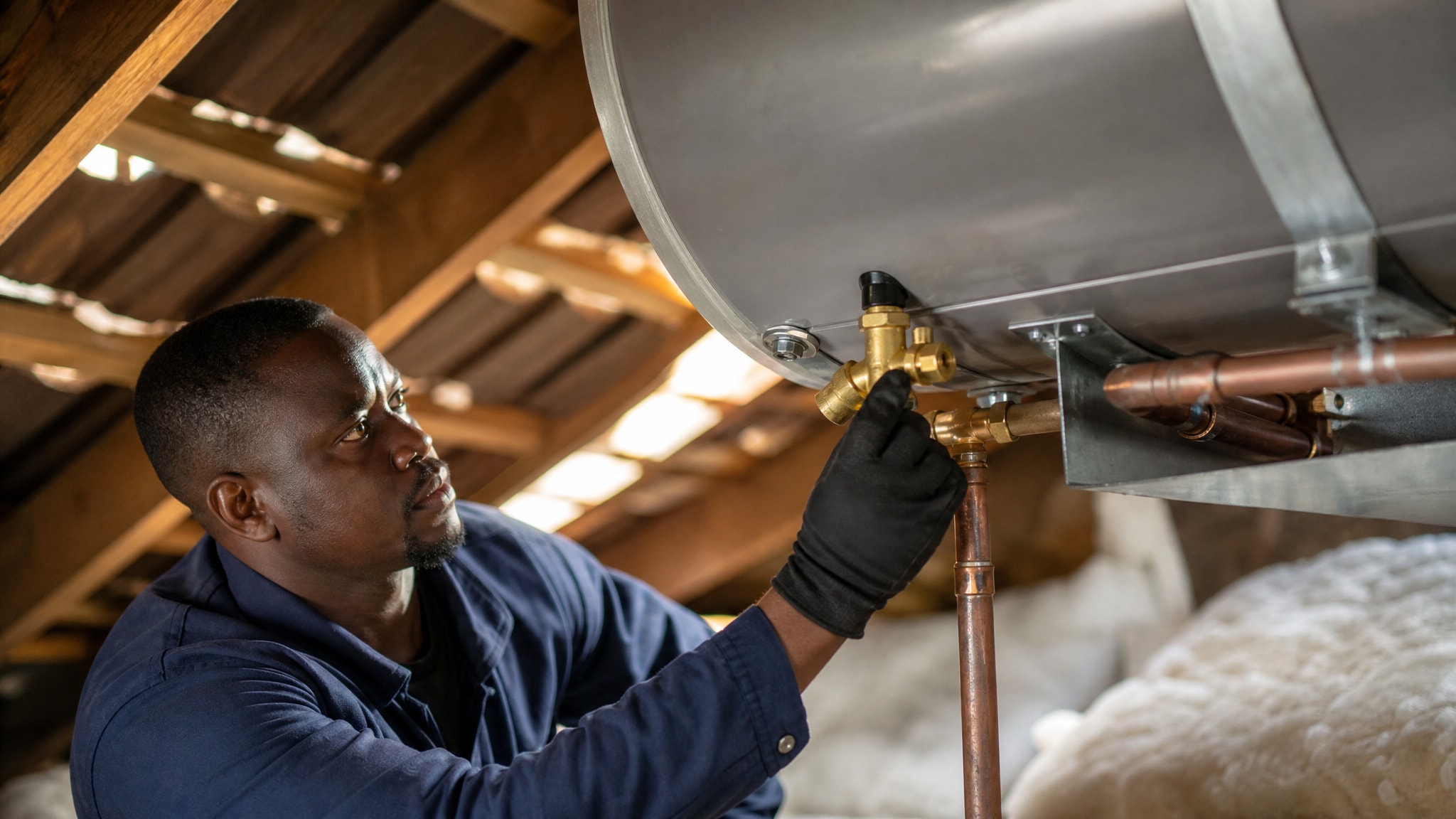
Water heating systems get detailed scrutiny against current South African National Standards, covering drip tray sizing, discharge pipe routing, and thermal insulation. Inspectors check that geyser installation regulations are followed precisely, including correct pressure control valve settings and adequate ventilation for combustion appliances where that applies. Drip trays get particular attention, because drip tray compliance requirements exist for a reason: an improperly installed tray fails to contain leaks and sends water toward structural elements instead of a safe drainage point.
Cross-Connection and Backflow Prevention
Protecting the public water supply means verifying no illegal connections exist between potable water lines and alternative sources like boreholes, rainwater tanks, or irrigation systems. Vacuum breaker installation standards have to be met at every point where contamination could reverse-flow into the municipal network, including garden taps, washing machine connections, and swimming pool fill lines. These devices stop polluted water siphoning back into clean supply lines during pressure drops, which protects your household and everyone downstream.
Who Can Issue a Valid Plumbing CoC?
Only licensed plumbers registered with the Plumbing Industry Registration Board (PIRB) are permitted to purchase and issue official compliance certificates. That restriction exists because the certificate carries legal liability. The issuing plumber takes on responsibility for the installation's safety and compliance status at the moment of inspection.
PIRB Registration Requirements
Registration with the PIRB means a plumber holds current qualifications, follows industry codes of conduct, and keeps up continuing professional development as standards evolve. You can check any plumber's registration status directly through the PIRB database before hiring them, which confirms they actually have the authority to issue valid documentation. Unregistered practitioners can't legally purchase official certificates, so any document they hand you carries no standing with municipal authorities or conveyancing attorneys.
Why Licensed Plumbers Must Purchase Certificates
Each certificate carries a unique serial number linked to the issuing plumber's PIRB profile, which creates an auditable trail holding professionals accountable for their assessments. The system prevents fraud and keeps liability for compliance declarations with qualified individuals, so you don't end up with invalid documentation that derails a transfer later. Handymen or general contractors without plumbing registration can't fill this role, no matter how much practical experience they have with your property.
Common Failures and Remedial Work Before Certification
Most properties need some remedial work before they pass, especially older homes where previous owners made unapproved modifications or put off maintenance for years. Budget for potential repairs upfront, and inspection findings won't catch you financially off guard.
Typical Non-Compliant Installations Found
Missing drip trays beneath geysers are among the most frequent failures, alongside incorrect pressure control valves that let system pressure run too high and wear components out faster. Outdated galvanized piping, illegal stormwater connections to sewer lines, and missing vacuum breakers on auxiliary water sources also commonly fail inspection. Even a system that still works can fail certification if it was installed under standards that have since been superseded.
Cost Implications of Bringing Systems Up to Code
Remedial costs vary a lot depending on how extensive the non-compliance is and how accessible the affected components are, from a minor valve swap to a full geyser relocation or pipe rerouting. Get a preliminary assessment before listing your property, and you can budget accurately instead of renegotiating the sale price mid-transaction when defects turn up unexpectedly. Inspectors can't certify a non-compliant system no matter how well it currently works, so the repairs aren't optional if you want the transfer to go through.
How Plumbmax Handles Same-Day CoC Issuance
Delays in getting a compliance certificate frequently stall property transfers. That's why we've streamlined our workflow to inspect, quote, repair, and certify within tight timeframes. Conveyancing deadlines don't wait, so we prioritize responsiveness alongside technical accuracy to keep your transaction moving.
Inspection and Remedial Workflow
When you book a plumbing compliance inspection with us, we assess the full installation and give you an itemized quote for any necessary remedial work right after the initial visit. If repairs are needed, our technicians complete them with compliant materials and methods, then re-inspect and issue the certificate the same day once every defect is fixed. One team handles both the inspection and the repair, so there's no coordination delay between separate contractors, and the gap between engagement and certification stays short.
Service Coverage Across Cape Town and Surrounds
We serve homeowners and property managers throughout Stellenbosch, Somerset West, Gordons Bay, Paarl, and Wellington, with local knowledge of area-specific infrastructure issues and municipal enforcement priorities. That geographic focus means faster response times and familiarity with the compliance issues that come up most in different neighbourhoods across the greater Cape Town region. Whether you manage a single family home or a portfolio of rental units, we apply the same technical standards and deliver documentation suited to your property.
Frequently Asked Questions About Plumbing CoCs
Property owners dealing with compliance for the first time tend to ask the same practical questions, about validity periods, costs, and what happens after a failed inspection. Municipal by-laws set clear parameters for most of these, though individual circumstances can still introduce variables worth raising directly with a registered plumber.
Comments